
















On soft ground, wetlands, tidal flats, or backfill sites with high moisture content, bulldozers commonly sink, slip, and struggle to travel. For such conditions, buyers often face a choice: a standard tracked bulldozer or a wetland type. The two may have similar horsepower, but they differ clearly in ground pressure, track shoe width, and undercarriage configuration. Using public SD26 series data as a reference, this article outlines the selection differences and the conditions that need confirmation.
First, clarify what soft-ground work must solve
The core constraint in soft-ground construction is the relationship between machine weight and ground contact area. When ground pressure is high, tracks sink easily, traction cannot be effectively applied, and repeated bogging occurs during dozing, requiring rescue by other equipment. The selection problem can be broken down into several points:
- Whether the machine can maintain mobility on surfaces with high moisture content;
- Whether traction is sufficient for dozing and site leveling;
- Whether track shoe width matches the surface bearing conditions;
- Whether the work equipment configuration suits the material type at the site.
These conditions must be determined based on on-site soil type, moisture content, bearing capacity, and workload—not judged by horsepower alone.
Where standard and wetland types differ
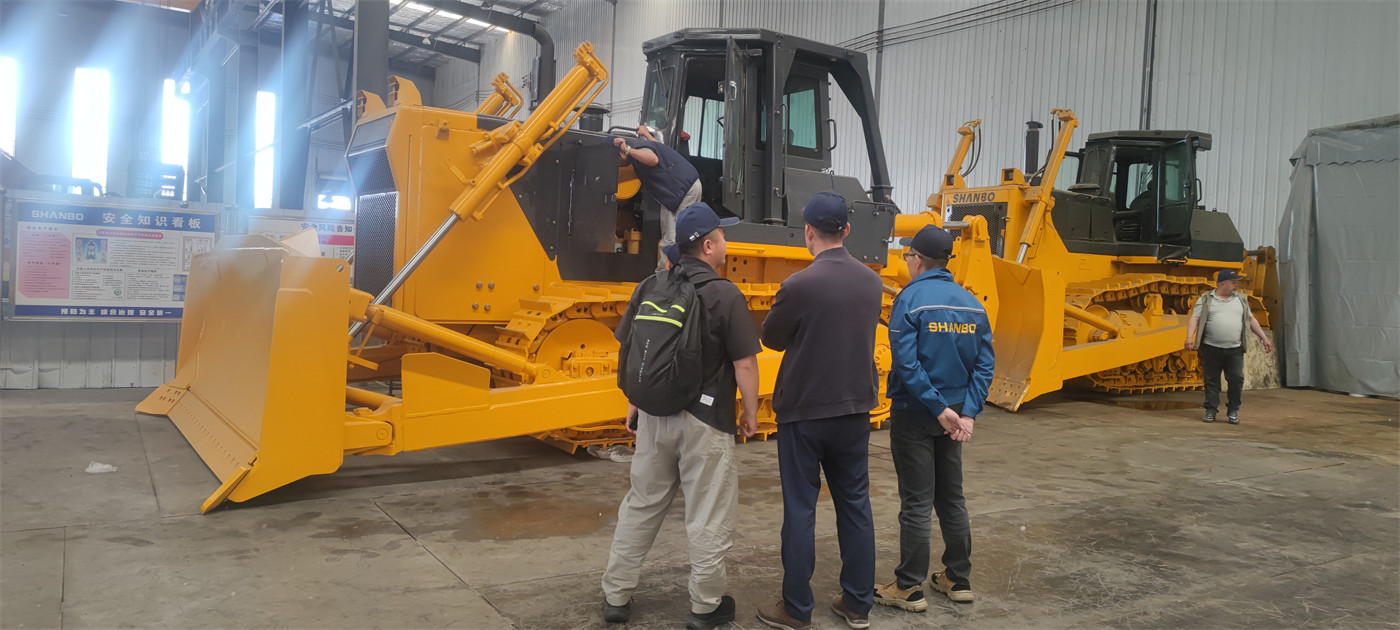
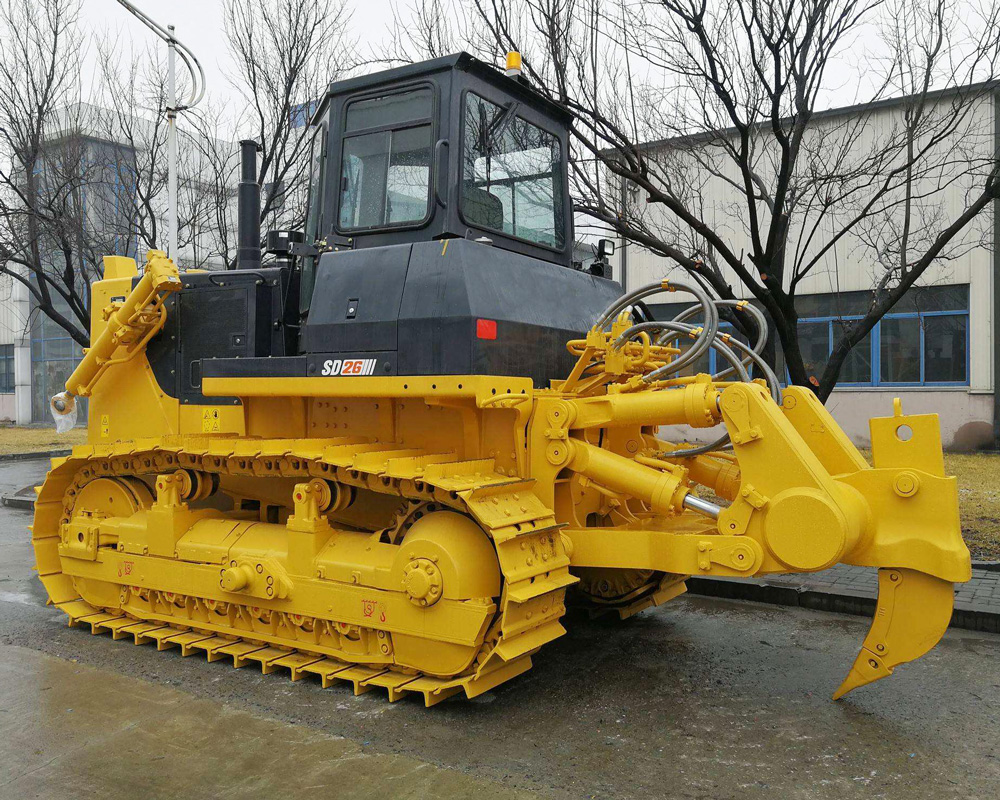
SD26 series data shows that the series includes standard, forestry, wetland, desert, sanitation, and rock specifications. The differences confirmable from public data center on track and ground-contact parameters: the standard type has an operating weight of 23,450 kg, ground pressure of 66 kPa, and track shoe widths of 560, 610, or 660 mm; the data also mentions that the wetland type is one of the series specifications and emphasizes that series products have "low ground pressure."
It should be noted that the data does not separately list the wetland type's ground pressure, operating weight, or track shoe width values, so a direct parameter comparison for the wetland type cannot be given. What can be confirmed is that the wetland type is positioned for low-bearing surfaces, reducing ground pressure through a wider track configuration. Buyers should request a separate parameter sheet for the wetland type from the supplier rather than substituting standard-type data.
| Comparison dimension | Standard type (SD26 data values) | Wetland type |
|---|---|---|
| Operating weight | 23,450 kg | Not separately listed in data |
| Ground pressure | 66 kPa | Not separately listed; positioned as low ground pressure |
| Track shoe width | 560/610/660 mm optional | Not separately listed in data |
| Application scenarios | General engineering, roads, site leveling, mining earthworks | Soft ground, wetlands, and other low-bearing sites |
Why wetland type is preferred for soft ground
The wetland type's approach is to increase the contact area between tracks and ground, distributing the machine's weight over a larger contact area to reduce pressure per unit area. With lower ground pressure, sinking depth on soft soil is relatively controllable, and travel and steering resistance are reduced. For sites requiring repeated dozing, mobility directly affects whether work can proceed continuously.
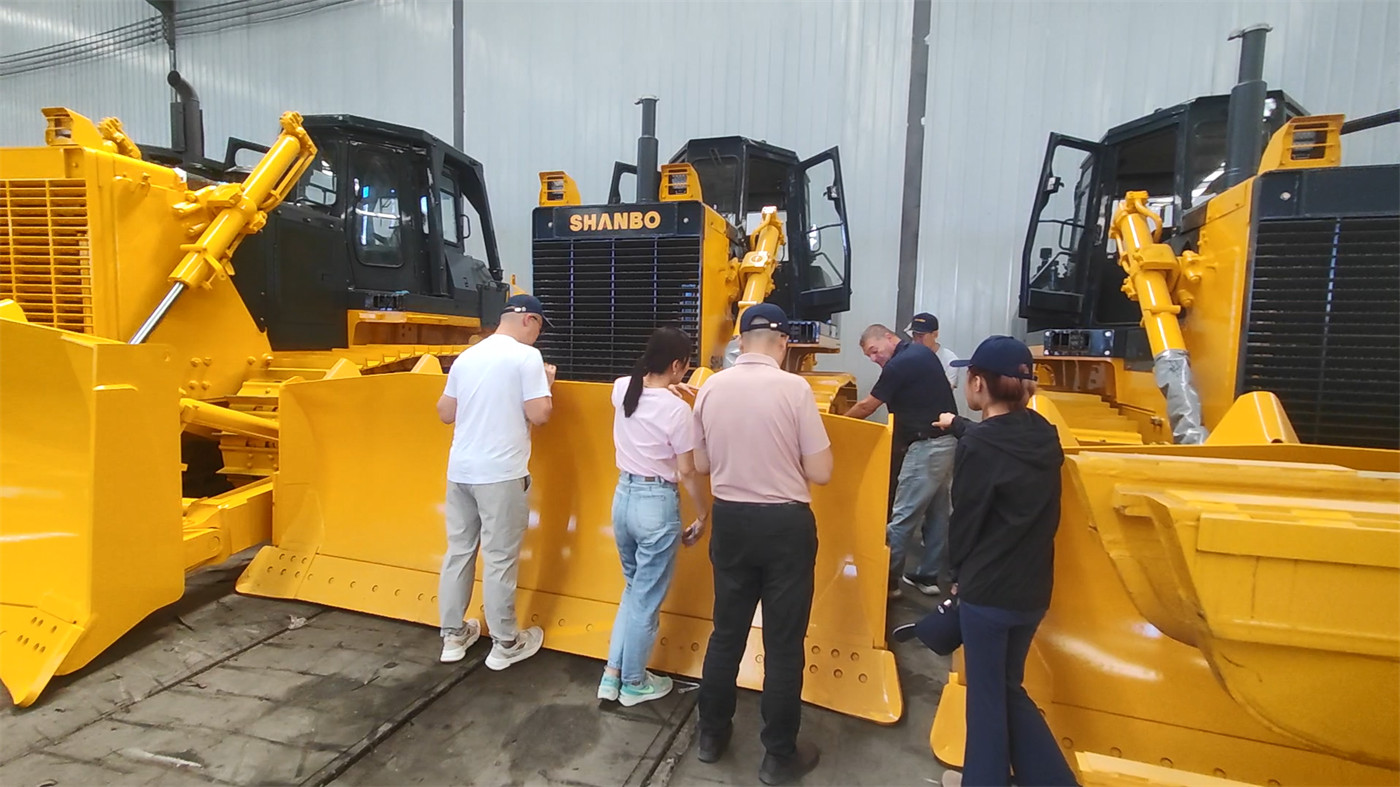
The SD26 wetland type shares a 260-horsepower-class power platform with the standard type. The data lists the engine as Weichai WP12G280E304, rated power 206 kW (277 hp), net power 194 kW (260 hp), rated speed 1,900 rpm, and maximum torque 1,250 N·m. The transmission consists of a powershift gearbox, torque converter, and two-stage straight-tooth final drive. This means the wetland type does not adapt to soft soil by reducing power, but by adjusting the undercarriage configuration while maintaining the power platform. For scenarios on soft ground that still require a certain dozing volume, this combination is worth including in the comparison.
In addition, the data mentions that the semi-rigid suspension undercarriage can expand track ground contact area and improve traction. This structural feature aligns with the direction of the wetland type's wide-track solution, but the actual ground contact length and track shoe specifications for the wetland type must still be based on parameters provided by the supplier.
Boundaries that cannot be ignored in selection
The wetland type is not suitable for all soft-ground scenarios. The following points should be confirmed before purchase:
- Lower limit of surface bearing capacity. The wetland type reduces ground pressure but still has limits. For extremely high-moisture, very low-bearing swampy ground, a more specialized wetland undercarriage or other construction organization methods may be needed, and judgment should be based on on-site measurements.
- Work equipment configuration. SD26 data shows a standard straight-tilt blade with a capacity of 4.6 m³, with optional angle, U-blade, and semi-U blade; rippers come in three-shank and single-tooth forms, with the three-shank ripper weighing 2,600 kg and a maximum ripping depth of 666 mm. Whether a soft-ground site needs a ripper and which blade to choose should be determined by material and process—do not assume the wetland type comes with a particular blade.
- Site transfer and transport conditions. The wetland type has wider tracks, and overall transport dimensions and weight may change, so the transfer plan must be checked in advance. The data does not list wetland-type transport dimensions; confirm with the supplier.
- Fuel and transmission configuration boundaries. The series is fuel-powered and meets China-III emissions; before use, confirm that on-site fuel supply and emissions management requirements match.
Pre-purchase confirmation checklist
If the site involves soft ground or wetland conditions, it is recommended to confirm the following items with the supplier one by one before making a judgment:
- Separate technical parameter sheet for the wetland type: operating weight, ground pressure, track shoe width, ground contact length;
- Available blade types and capacities for the wetland type, and whether standard or optional;
- Correspondence between ripper configuration and overall machine weight;
- Overall transport dimensions, weight, and transfer recommendations;
- Applicability statement for on-site soil type and moisture content;
- Daily inspection items and maintenance intervals, subject to the onboard manual.
The choice between standard and wetland types is essentially a matter of matching ground pressure and mobility, not horsepower. In soft-ground scenarios, first confirm whether the wetland type's ground-contact parameters and track configuration cover the site conditions; if the site has acceptable bearing capacity and the soft-soil area is limited, a standard type with an appropriate track shoe width may also be a comparable option. The final selection should be based on verified site conditions and confirmed supplier parameters.