








The difficulty in selecting a medium bulldozer usually lies not in the horsepower range, but in translating project volume, haul distance, strata, and site conditions into verifiable configuration conditions. When asking by the 178-horsepower class, the standard, extended, and super-wetland versions face different operational constraints; straight blades, U-blades, angle blades, and rippers each correspond to different materials and processes. Below, using verified product information from the SD16 series as an example, we explain how this selection path works and which conclusions the data cannot yet support.
First, calculate three things: volume, distance, strata
A bulldozer is short-distance pushing equipment. The first step in selection is not looking at the specification sheet, but breaking the operation into three quantities:
- Earthwork volume and schedule: determines the number of machines and single-machine cycle count, but this site's data does not provide the series' shift capacity, so the required number of units cannot be calculated from it.
- One-way push distance: bulldozers have a limited economic haul distance; the longer the distance, the higher the proportion of return travel in the cycle. The specific economic haul distance must be calculated separately based on material, slope, and operator skill; this site's data does not provide this value.
- Strata and materials: ordinary backfill soil, clay, frozen soil, rock, and coal stockpiles have completely different requirements for blades and ripping equipment.
Once these three items are clear, then look at site bearing conditions and transport conditions to enter the comparison of models and configurations.
First distinguish standard and super-wetland versions by bearing conditions
In the SD16 series data, the standard version has an operating weight of 17000 kg and a ground pressure of 58 kPa; the super-wetland version SD16L has an operating weight of 16900 kg, a ground pressure of 22 kPa, a track shoe width of 960 mm, and 41 track shoes per side. The difference between the two centers on undercarriage ground pressure.
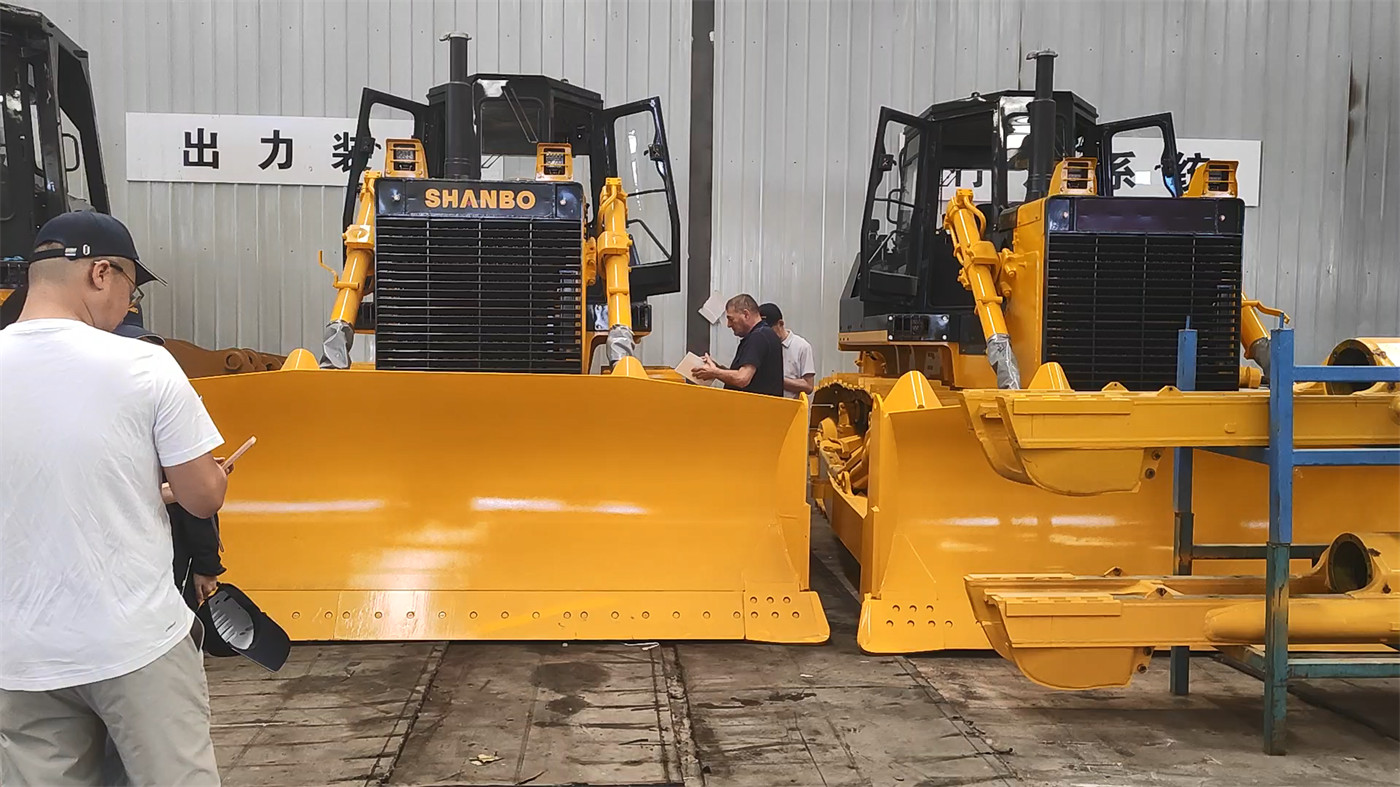
If the site is conventional earthwork, backfill, or site leveling, and the foundation bearing capacity is sufficient to support conventional track ground pressure, the standard version is the first to check. If the working area is swamp, soft wetland, or river training area where the machine risks sinking, the super-wetland version should be included in the comparison; the 22 kPa ground pressure and 960 mm wide track shoes are designed to reduce ground pressure. Note that lower ground pressure does not automatically mean trafficability meets site requirements; actual access also depends on surface soft soil thickness, moisture state, and seasonal conditions, which require on-site survey confirmation.
Then look at haul distance and process to decide whether to choose the extended version
The SD16B extended version adjusts the body structure and speed configuration based on the standard model; the data positions it for medium-distance continuous dozing and leveling on general engineering sites. Its forward three-speed range is close to the standard version (F1 0–3.29 km/h, F2 0–5.82 km/h, F3 0–9.82 km/h), with an operating weight of 17100 kg.
The selection hint from this information is: when the operation is mainly medium-distance continuous pushing and leveling, rather than frequent short-distance stockpiling, this version can be included in the comparison. However, the data does not give the suitable haul distance range for the extended body, nor productivity comparison data, so it cannot be asserted that the extended version is necessarily more suitable at a certain haul distance; actual cycle time measurement on site or further explanation from the manufacturer is still needed.
Blades and rippers: configure by material and process
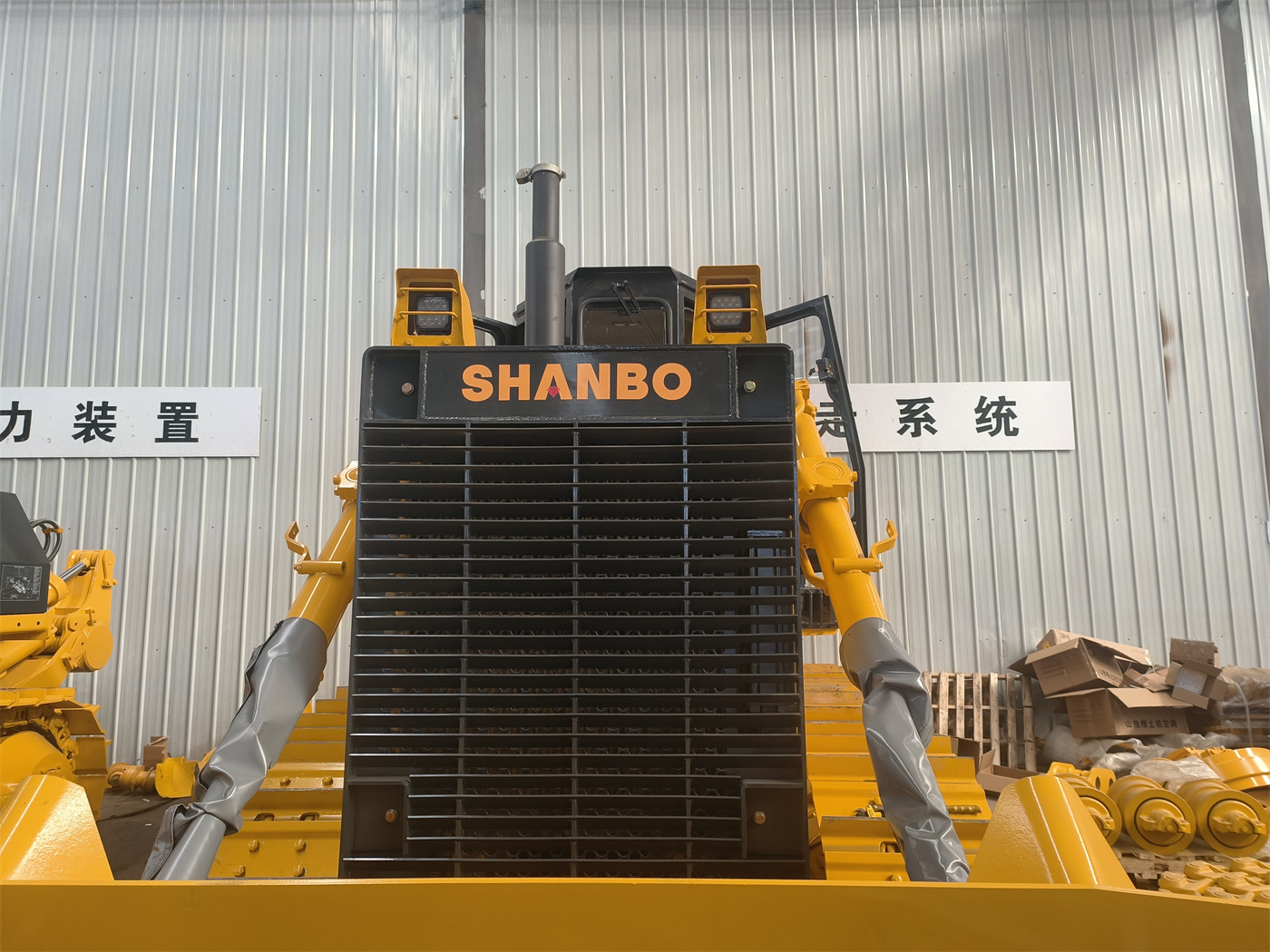
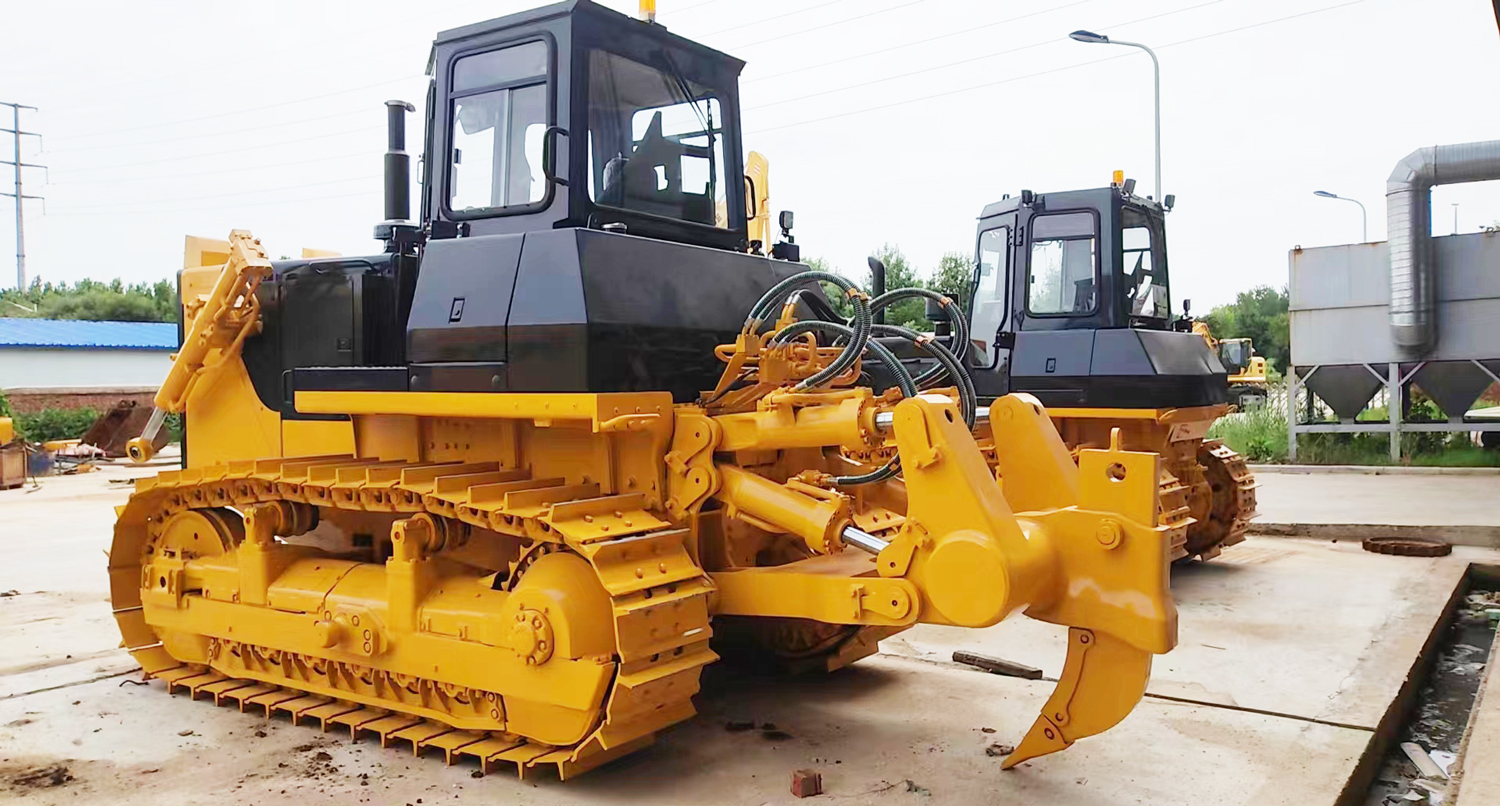
The SD16 standard version data lists blade types as angle blade, straight blade, and U-blade, with widths of 4011 mm, 3455 mm, and 3556 mm respectively; straight blade is standard, and a three-shank ripper can be equipped, with a ripper lift height of 570 mm. These are optional configurations, not the fixed state of every machine; they should be itemized in the configuration list at purchase.
| Configuration | Corresponding description in data | Application judgment |
|---|---|---|
| Straight blade | Standard, width 3455 mm | Baseline configuration for conventional earthwork pushing and backfill |
| Angle blade | Width 4011 mm | Consider when single-side penetration, slope work, or side casting is needed |
| U-blade | Width 3556 mm | Data does not elaborate on suitable materials; confirm with manufacturer |
| Three-shank ripper | Lift height 570 mm | Data states used for breaking clay and frozen soil; hard rock applicability not stated |
It should be noted that coal working conditions correspond to a separate coal version in the SD16 series, equipped with a coal blade, width 4150 mm, height 960 mm, operating weight 17500 kg, ground pressure 55 kPa. If the working object is bulk material at power plants or port stockyards, check directly against the coal version rather than inferring by changing blades on the standard version.
Power and transmission: only verify what the data explicitly states
The SD16 series is equipped with a WP10 electronically controlled engine, rated power 131 kW / 1850 rpm, corresponding to 178 horsepower; the data states it meets the national non-road machinery National IV emission standard; the transmission is self-made, and the data states it matches the engine power curve. Fuel tank capacity is 315 L, working hydraulic oil tank is 112 L.
These data can be used to verify whether the power range and emission requirements are consistent with the access conditions of the project location, but the data does not provide fuel consumption, traction force, gradeability, or other values. If these indicators are needed before purchase, manufacturer test data or technical agreements should be obtained separately; they cannot be inferred from power and weight.
Conditions still to be confirmed before purchase
- The non-road machinery emission access requirements of the project location and their correspondence with National IV status.
- Whether the actual materials and strata fall within the applicable range of the straight blade, U-blade, or ripper, especially hard rock and frozen soil thickness.
- Surface bearing capacity and water accumulation on soft foundation sites, and whether the super-wetland version can pass; on-site judgment is required.
- Restrictions on roads and trailers from overall dimensions and tonnage during transport: standard version dimensions are 5140×3455×3024 mm, super-wetland version is 5262×4150×3074 mm, with a clear width difference.
- Whether blades, rippers, FOPS/ROPS, etc. are optional or standard, itemized in the contract configuration table.
- Daily inspection items and maintenance intervals are subject to the accompanying manual; this site's data does not list specific maintenance values.
After putting the above conditions on paper item by item, medium bulldozer selection changes from "is the horsepower enough" to "do the configuration and working conditions match." The value of the multiple versions and blade options provided by the SD16 series lies precisely in letting the configuration match the conditions, rather than using one general configuration to cover all sites.