




















Downtime losses in mining dozing are often not caused by a single part suddenly failing, but by the combined effect of prolonged high-load pushing, frequent shock and inadequate maintenance. For equipment procurement and construction management, the real question is: under such working conditions, which whole-machine conditions help reduce the probability of unplanned downtime, and which still need to be confirmed by the user.
Using the publicly available configuration data of the SD46-6 large crawler bulldozer as a reference, the following breaks down "reducing fault downtime" into several verifiable aspects and explains the applicable boundaries.
First, clarify the operating characteristics of heavy-load mining dozing
Mining, large-scale earthwork and rock stripping operations are typically characterized by continuous pushing, large load fluctuations and poor ground conditions. The assumed scenario (not an actual case) is: equipment operates continuously for long periods in a mining area, with pushing distance and material conditions varying by shift. Such scenarios place requirements on the whole machine in three areas: whether power output is stable, whether the transmission and undercarriage can withstand shock, and whether daily inspection is convenient.
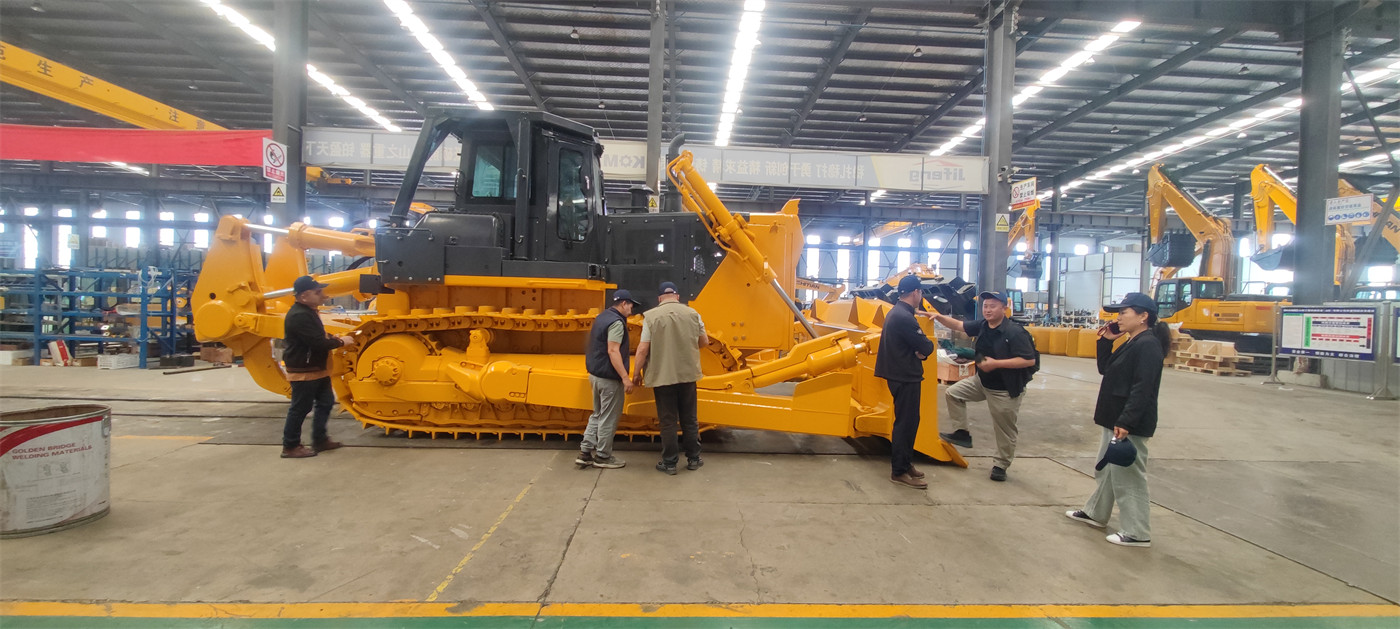
The SD46-6 data lists it as a 600 hp large crawler bulldozer with an operating weight of 54,000 kg, suitable for heavy-load conditions such as mining, large-scale earthwork and mountain leveling. This information only indicates its positioning and cannot be directly equated with actual productivity or failure-rate performance.
Power and transmission: the first layer of conditions for reducing downtime
The data shows that the SD46-6 is equipped with a Cummins KTA19-C525 turbocharged and intercooled diesel engine, rated at 340 kW/600 hp, with a rated speed of 2,000 rpm and a displacement of 18.9 L. The cylinder block and cylinder head use an integrated design, which the data states is intended to avoid common faults such as water seepage and oil leakage. For buyers, this is a structural description; whether it actually reduces faults still needs to be judged in combination with specific use and maintenance records.
In terms of transmission, this model uses a hydraulic power-shift transmission with planetary final drives. The data mentions that the system can adjust power output according to changes in external load and has a built-in hydraulic buffer structure to absorb power transmission shock. The transmission assembly is equipped with multi-plate hydraulic clutches and forced circulation lubrication, and the final drive uses spiral bevel gears plus splash lubrication. These configurations address the problems of repeated gear shifting and shock loads in heavy-load pushing, but the data does not provide fault interval or maintenance cycle data, so downtime cannot be estimated from it.
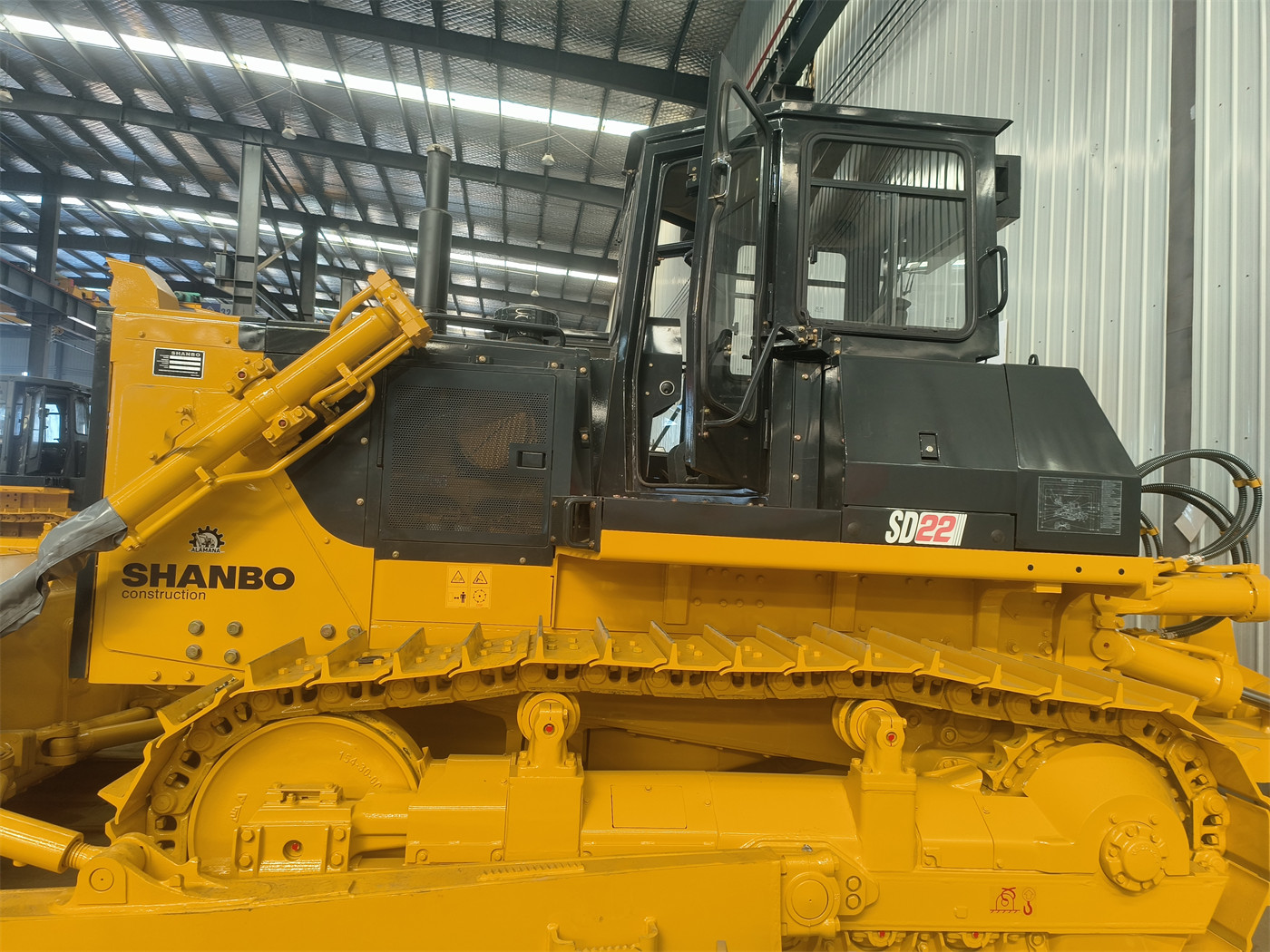
Undercarriage and structure: withstanding ground shock in mining areas
Mining ground commonly contains rocks, unevenness and vibration. The SD46-6 data lists a K-type suspension floating drive structure, an integral articulated undercarriage and a multi-stage damping assembly, used to buffer shock loads during travel and operation; the main frame is a fully enclosed box structure using high-strength wear-resistant steel and heavy cast steel parts. The tracks are fully sealed and lubricated track chains, with an integrated main link design.
This content can explain why the model is discussed under heavy-load conditions, but it cannot prove its actual service life in a specific mining area. The wear rate of undercarriage parts is closely related to material abrasiveness, operating habits and maintenance frequency, and these variables should be included in the evaluation before purchase.
Maintenance accessibility: part of downtime is about whether inspection is convenient
Reducing fault downtime depends not only on the failure rate but also on whether problems can be found and handled conveniently. The maintenance-related content in the data includes: an externally mounted distribution work valve block for easy inspection, disassembly and maintenance; a large opening engine hood that exposes internal core components; maintenance reminder stickers in prominent positions on the machine; and a standard maintenance-free battery. The instrument panel can monitor data such as hydraulic oil temperature, oil level and coolant temperature and issue over-limit alarms.
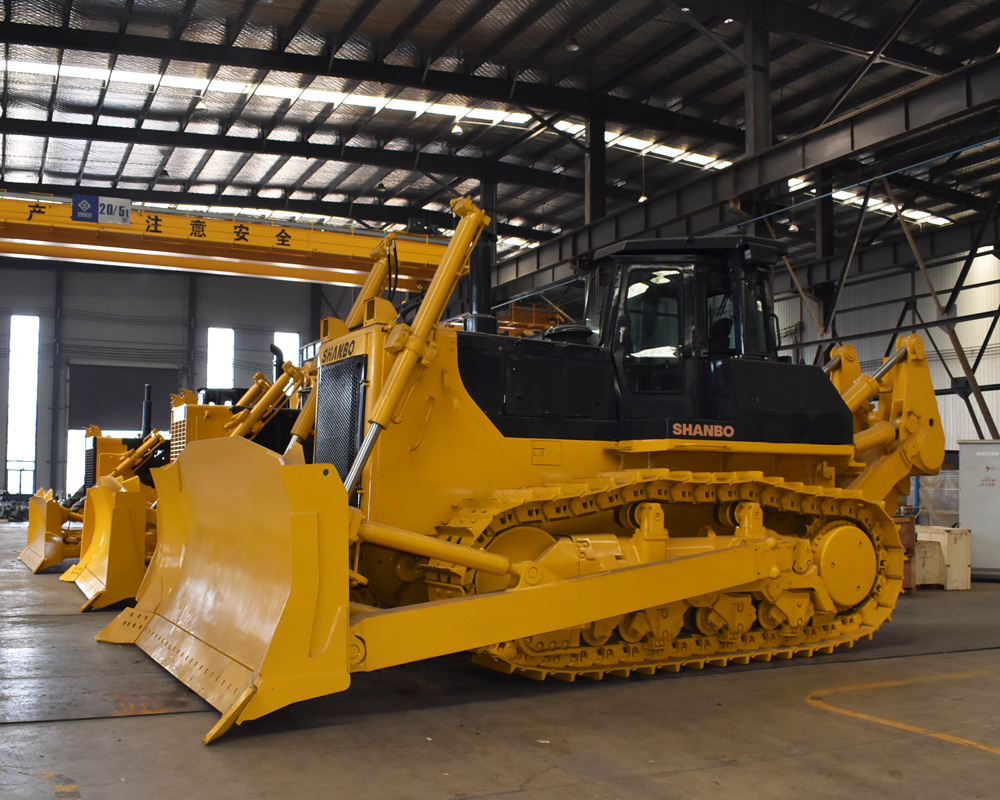
These are conveniences for daily inspection and troubleshooting. The specific inspection items, intervals and judgment criteria should be based on the onboard manual and on-site maintenance system; this article does not provide maintenance values.
Items still to be confirmed before purchase
- Whether the actual material type, pushing distance and shift arrangement in the mining area match the heavy-load continuous operation positioning.
- The 16 m³ semi-U blade and single-tooth heavy-duty ripper are listed as standard configurations in the data. If other blade or ripper forms are required on site, optional configurations and supply status should be confirmed separately.
- For the ROPS/FOPS protective structure, the data both states it as standard configuration and mentions an optional upgraded integrated protective frame; the specific version should be clarified at purchase.
- Spare parts supply, service response and operator training arrangements: the data only mentions an after-sales service network and does not give specific response times.
- Fuel consumption, actual productivity and return on investment: the data does not provide verifiable on-site data, so direct commitments should not be made before purchase.
Only after checking the above conditions item by item can it be judged whether the SD46-6 configuration approach fits a specific mining project. The core of reducing fault downtime remains the match among equipment conditions, usage methods and maintenance systems, rather than looking at any single parameter alone.