














When earthmoving is organized by machine-shift, working continuously for more than ten hours is normal. Equipment managers usually care less about the burst force of a single blade load and more about whether power output can be adjusted throughout the shift, whether operator intensity can be sustained, and whether refueling will interrupt work. The power mode design of hydrostatic-drive bulldozers addresses exactly these questions. This article uses the DH17-G as an example to explain what its power and transmission information can clarify and what still needs confirmation before purchase.
What Really Constrains Long-Shift Operation
Dozing consists of repeated cycles of full-load pushing, return travel, and reloading. Over long shifts, constraints usually come from three places: first, the operator controls travel and the work implement for extended periods, and attention and physical stamina decline; second, load varies across process steps (light pushing, heavy load, slope return), and if power output has only a single setting, it is easy to waste fuel under light load and struggle under heavy load; third, refueling frequency. If any one of these is handled poorly, it shows up at the end of the shift as a slower pace.
Therefore, during selection the problem should be broken down into two verifiable equipment conditions: whether power output can switch according to load, and whether the transmission form supports stepless speed regulation and load adaptation. The former concerns energy consumption and job matching; the latter concerns operating feel and steering control.
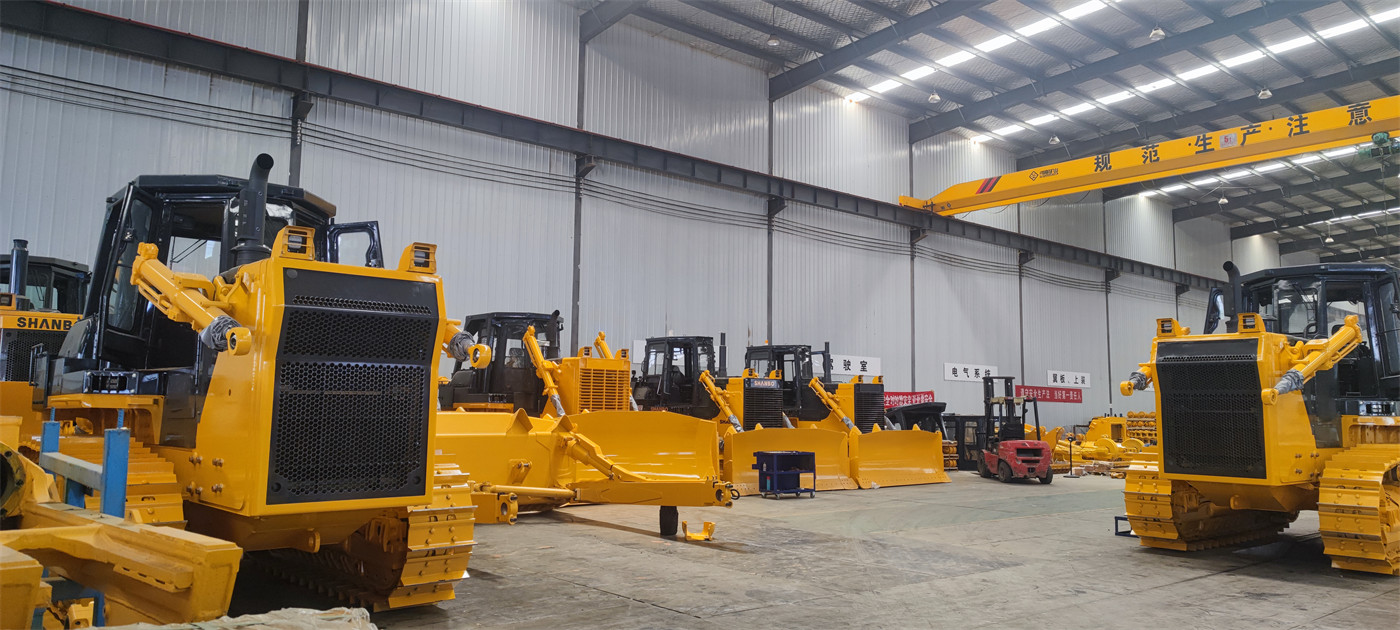
What Work Rhythm the Three Power Modes Correspond To
The DH17-G is equipped with a Weichai WP7 China IV electronically controlled engine, rated at 152 kW / 1800 rpm (178HP). The information explicitly states that the machine has three power modes that can be selected according to actual load, used to match power, efficiency, and energy savings. For long-shift operation, this means the operator can switch output settings among light-load return, leveling and slope trimming, and heavy-load dozing, rather than always running at maximum output.
It should be noted that the information does not give the specific power values, fuel consumption figures, or detailed applicable conditions for each mode. Before purchase, the supplier should be asked to confirm the power distribution of the three modes, the switching conditions, and whether they are linked with the machine's intelligent control functions. One cannot infer the energy-saving margin under any given condition solely from the phrase “three power modes.”
What Operating Problems Hydrostatic Transmission and Load Adaptation Solve
The machine uses a dual-circuit electric hydrostatic drive system with load-adaptive function, supporting stepless speed regulation for load steering and fixed steering; the information also mentions that the transfer case design optimizes the hydraulic system layout. For steering in narrow areas and continuous dozing, the practical value of stepless speed regulation and load steering is that steering does not require frequently interrupting the dozing action, and the operator's control of travel speed is more continuous.
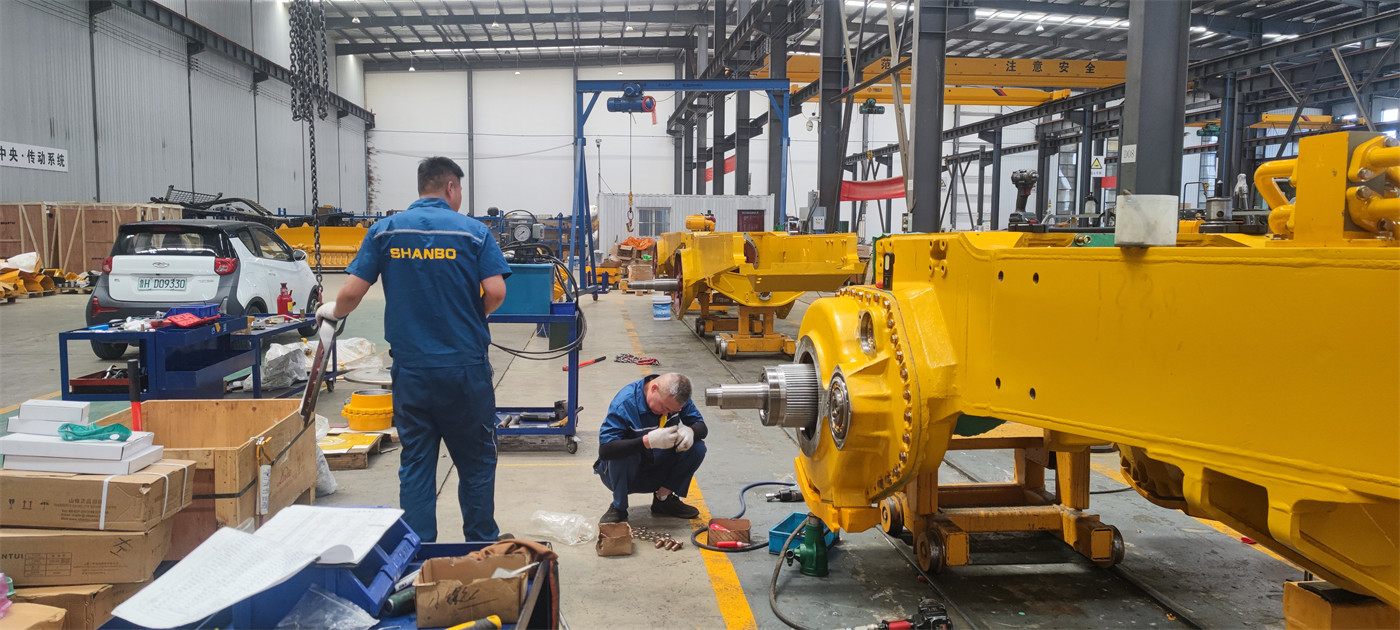
This information supports the judgment that “hydrostatic drive suits conditions with frequent speed changes and continuous dozing,” but it cannot be used to infer its passability on a particular slope or in a particular soil type, nor can it be used to infer actual traction values—these indicators are not listed in the information.
Endurance, Operating Environment, and Auxiliary Configurations
Long shifts also involve refueling and personnel condition. The relevant configurations listed in the information include:
- Fuel tank capacity of 352L; the information states it “supports 178HP power output and continuous operation for more than 14 hours”—this duration is the wording given in the information, and actual endurance is affected by load, working conditions, and operating method, so it must be verified on site.
- The cab uses a six-sided integrated design with 4-point MDS suspension; the information states that noise at the operator's ear can be reduced to 78dB and the sealed cab maintains 45Pa positive pressure; the rear air-conditioning system is 15% more efficient. These configurations relate to comfort during long operation, but cannot serve as a quantitative basis for reduced fatigue or improved efficiency.
- Newly added control functions include slip ratio control, economy mode, driving response control, reverse start mode, and auto idle; an 8-inch intelligent display terminal provides fault self-diagnosis, and a rear-view camera is standard.
- Travel and work implements are controlled by a single joystick, with a floating single pedal for synchronized throttle and braking.
Among these functions, the relationship between “economy mode” and the aforementioned three power modes, and the load ranges each applies to, are not explained one by one in the information; these are configuration details that should be confirmed before purchase.
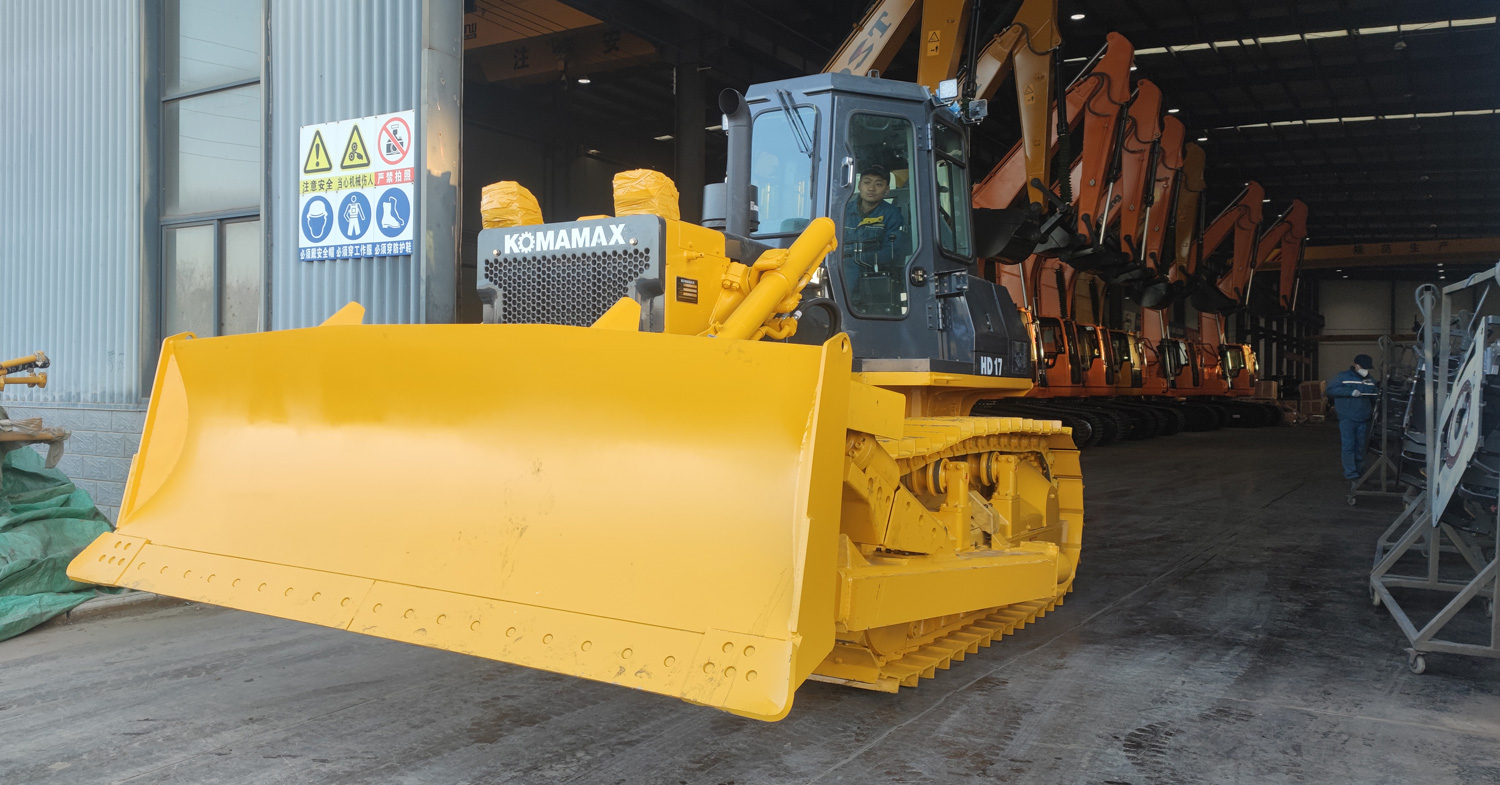
Version Differences Change the Actual Effect of Power Modes
The DH17-G is available in standard, super-wetland, coal, sanitation, forestry, and desert versions. Under the same power and transmission conditions, ground pressure and work implements differ noticeably among versions: the standard version (with ripper) has an operating mass of 17730 kg and ground pressure of 65 kPa; the super-wetland version has an operating mass of 19690 kg, ground pressure of 30.5 kPa, and track shoe width of 1100 mm. Because ground pressure differs, the same power mode also performs differently under load on soft ground versus hard ground. If the work site is soft ground or wetland, whether to choose the super-wetland version should be evaluated according to actual bearing capacity; the information in this article is insufficient to provide a judgment threshold.
| Focus | Information Given | To Confirm Before Purchase |
|---|---|---|
| Power output adjustability | Three power modes, selected according to load | Power values and switching logic of each mode |
| Transmission form | Dual-circuit electric hydrostatic drive, load-adaptive, stepless speed regulation | Verification method for matching with work implements |
| Endurance | 352L fuel tank; information states continuous operation for more than 14 hours | Actual fuel consumption verified under site conditions |
| Operating environment | Suspended cab, positive-pressure sealing, rear air conditioning, rear-view camera | Distinction between optional and standard items |
Items Still Requiring Confirmation Before Purchase
- The specific power distribution of the three power modes and recommended use scenarios.
- Whether “economy mode” and the power modes are the same control logic and whether they can be used together.
- What load conditions the continuous operating duration in the information is based on; it must be evaluated according to actual soil type and haul distance.
- The standard and optional equipment lists for each version (standard, super-wetland, coal, sanitation, etc.), especially the ripper, blade type, and track shoe width.
- Daily fuel and after-treatment inspection requirements for the China IV engine should be based on the onboard manual, and daily inspections should be carried out according to the manual.
The adjustable power output of hydrostatic drive has clear corresponding value for long-shift continuous dozing: it lets power vary with load rather than remain at constant full output. But whether “it is worth choosing this model for that reason” still depends on verification results for site soil type, haul distance, refueling conditions, and version configuration.