



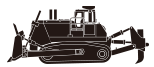















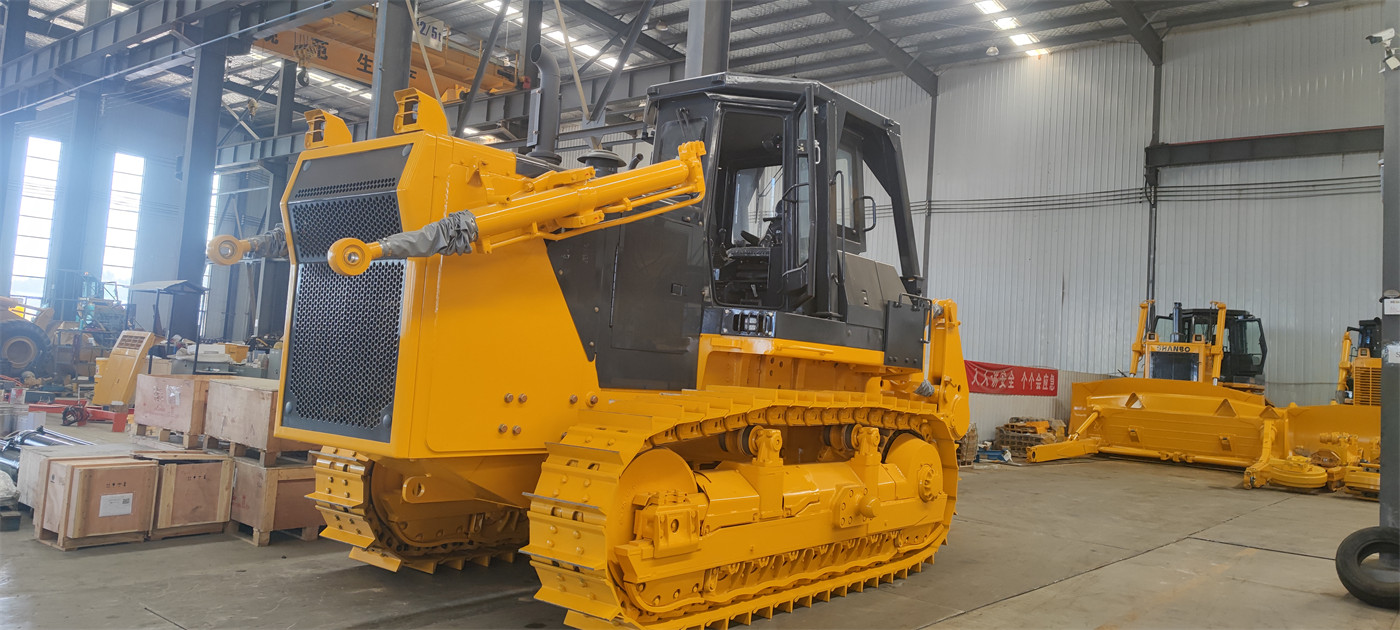
When earthwork projects reach the equipment selection stage, the same power class often offers two body lengths: standard and extended. Both share the same power; the differences lie mainly in overall length, body structure and the matching speed settings. A longer machine covers a different push distance per unit time, but turning, edge work and truck loading coordination in narrow sites are also affected. Below, using the SD16 standard version and SD16B extended version of the SD16 series as examples, we explain how to judge this length trade-off.
First, distinguish the data differences between the two versions
Both machines carry the WP10 electronically controlled engine with rated power of 131 kW, nominal 178 hp, and are equipped with a three-shank ripper; blade width and height specifications are the same. The differences center on body dimensions and some speed parameters, which directly correspond to on-site space and work sequence arrangements.
| Comparison item | SD16 standard version | SD16B extended version |
|---|---|---|
| Overall dimensions (mm) | 5140 × 3455 × 3024 | 5241 × 3455 × 3025 |
| Operating weight (kg) | 17000 | 17100 |
| Minimum turning radius (mm) | 4466 | 4466 |
| Forward third gear speed (km/h) | 0–9.63 | 0–9.82 |
| Reverse third gear speed (km/h) | 0–12.53 | 0–12.53 |
| Blade type | Angle/straight/U-blade | Angle/straight/U-blade |
As the table shows, the extended version is about 101 mm longer than the standard version, 100 kg heavier in operating weight, and slightly faster in forward third gear. The minimum turning radius is the same in the data, ground contact length is the same at 2635 mm, track shoe width is the same at 510 mm, and ground pressure for the standard version is 58 kPa. In other words, the changes from the extension fall mainly on the front-to-rear body layout and the top forward gear speed, rather than a major change in undercarriage ground contact parameters.
In which work sequences overall length becomes a constraint
Dozer work is not just straight pushing; it also includes digging, turning, return travel and coordination with transport vehicles. Overall length first affects the space occupied within the work area.
- Edge work in narrow sites: When both sides of the site have fencing, slopes or existing structures, the longer the body, the tighter the clearance between the blade ends and the boundary, requiring more corrections by the operator.
- Short-distance pushing with frequent turns: When the dig point and dump point are close and turns are frequent, body length amplifies the space needed for each turning cycle; although the data shows the same minimum turning radius, the actual site clearance required is still related to body length.
- Coordination with dump trucks or loading points: If the dumping area is limited, the machine's heading and reversing distance are affected by body length, so the dump position must be planned in advance.
- Mid-distance continuous dozing: When push distance is longer and turns are fewer, the space pressure from overall length decreases, and speed settings and continuous-operation stability become the main considerations.
The data positions the SD16B as "suitable for mid-distance continuous earthmoving and grading on general engineering sites," a description that corresponds to its slightly longer body and slightly higher forward third gear speed. However, the data does not give a specific push-distance threshold, so it cannot be inferred that the standard version must be chosen below a certain number of meters and the extended version above it.
Same power and undercarriage; the trade-off centers on body and speed
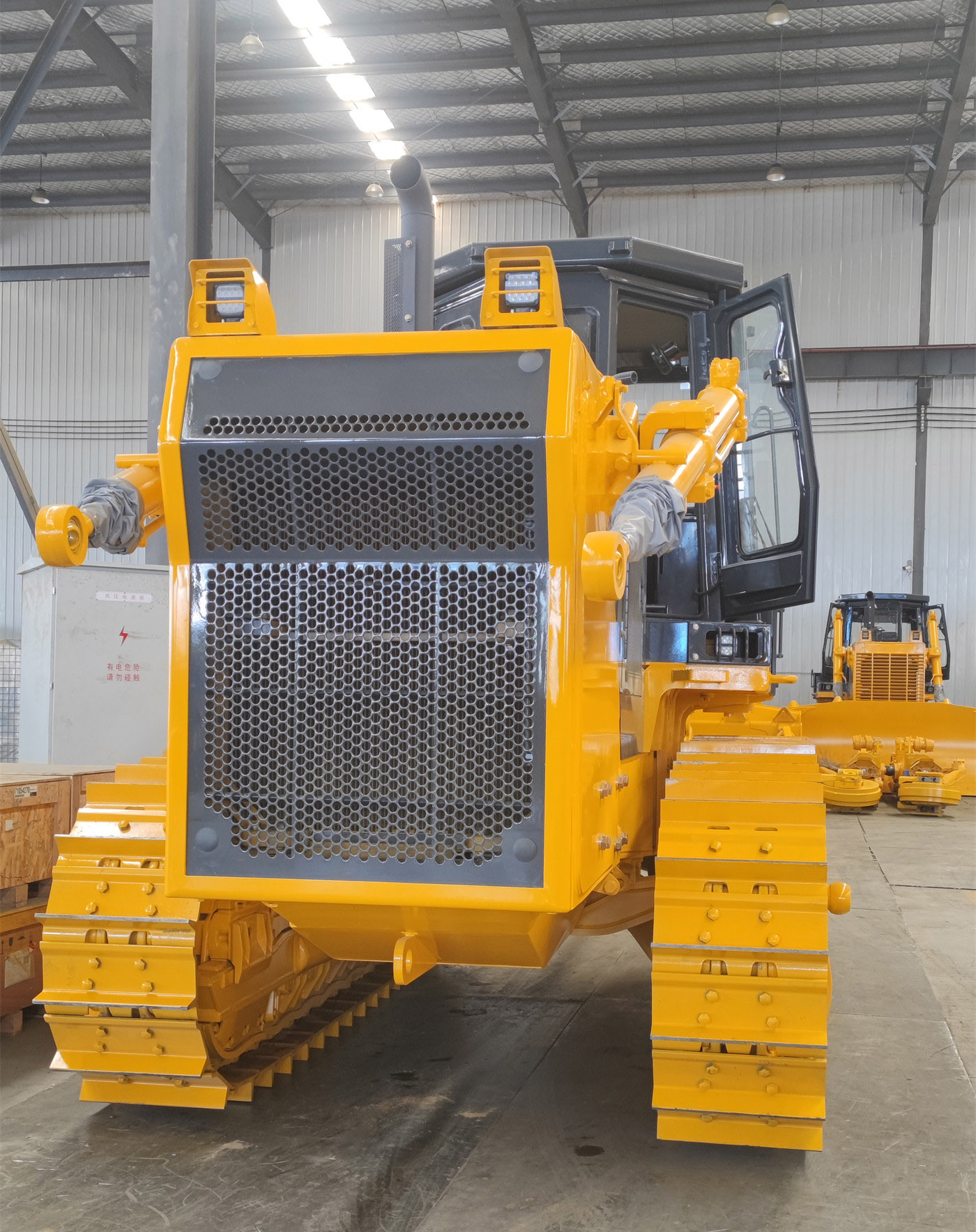
The two versions share the WP10 engine and 131 kW rated power, and the drivetrain and undercarriage structure belong to the same platform. This means that under similar soil conditions, blade configuration and operating methods, there is no data difference in their traction capability or blade specifications. When selecting, there is no need to agonize over power; instead, focus on the following:
- Whether the work area has enough turning and dumping space, and whether the roughly 100 mm longer body is sensitive to on-site clearance;
- Whether the push distance and number of return trips are closer to a "mid-distance continuous dozing" organization;
- Whether the difference in top forward gear speed (9.63 vs 9.82 km/h) constitutes an effective difference in actual scheduling; this must be judged against site road conditions and haul distance, as the data provides no efficiency figures.
Configuration and conditions to confirm before purchase
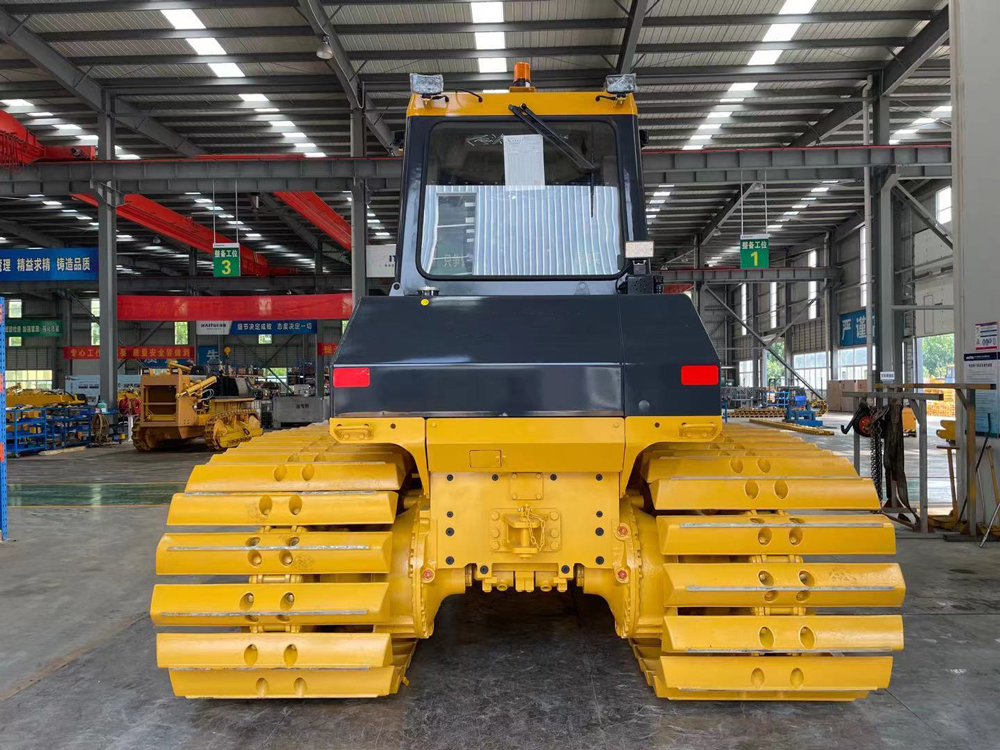
The data for both versions lists blade types including straight, U, angle, coal and rock blades, and also mentions optional ripping equipment and drawbars. Note that these are optional configurations; the specific standard items for each version should be verified with the supplier, and "can be equipped with" in the data should not be understood as meaning all versions already have them installed.
In addition, the following items are not clarified in the data and should be confirmed one by one before purchase:
- The standard status of cab configurations (such as FOPS/ROPS) on the extended and standard versions;
- Whether overall dimensions and operating weight change with different blade types;
- How emission configurations correspond to local non-road machinery management requirements;
- The documents supplied with the actual delivered version, maintenance intervals and daily inspection items, which should be based on the manual.
The overall-length trade-off is essentially about weighing site space and mid-distance push organization on the same table, rather than comparing which model is stronger. For tight sites with many turns, the standard version's compact body leaves more room; for longer push distances, fewer turns and a pursuit of continuous work rhythm, the extended version's body and speed settings are closer to such work sequences. Both versions have the same power, and the final choice should come back to three verifiable conditions: on-site clearance, haul distance and dumping coordination.