



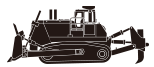






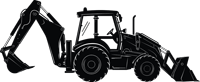








When the same model is divided into standard, rock, coal and desert versions, two common mistakes appear at purchase: either looking only at rated power and price and treating version differences as sales talk, or directly applying one version's configuration to another material, so that the blade, undercarriage or intake protection does not match the on-site material. The real question is not "which version is stronger" but "what material will this machine mainly push, and under what ground and climate conditions will it work continuously."
Below, using the multi-version materials of a 320-hp class crawler bulldozer as an example, we sort out the order for choosing configuration direction by working material. The materials list standard, rock, coal and desert versions, all based on the WP12/QSNT-C345 engine, with rated power marked as 258/2000 kW/rpm or 257/2000 kW/rpm and operating weight between 40200 and 40900 kg. The differences between versions are not in the powertrain but in the work equipment, undercarriage attachments and protective configuration.
Determine the material first, then discuss the version
The working material determines the trade-off direction for three configurations: blade form affects whether material can be effectively cut, rolled and pushed; track shoe width and undercarriage protection affect ground contact and wear; intake and cooling protection affect stability during continuous operation. The following order can be used to guide the judgment.
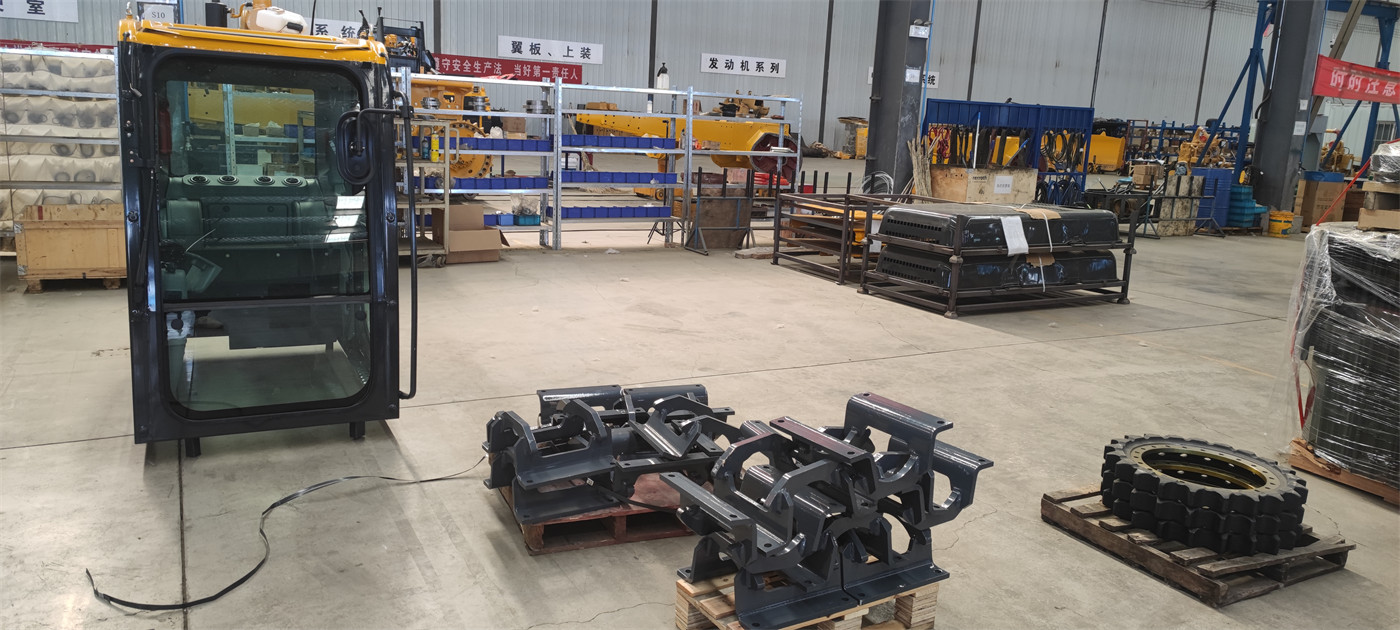
Step 1: Is the material undisturbed soil, rock or bulk material
For undisturbed earthwork and site leveling, the standard version's straight blade, angle blade or semi-U blade can cover most pushing needs; for rock, weathered rock stripping and crushed-stone quarrying, the rock version's thickened high-wear-resistant rock blade and reinforced push arm assembly should be considered; for coal or other bulk material transfer at power plants, ports and bulk stockyards, the coal version's large-capacity coal blade and box-section body structure are the match. These are not the same blade with a different label; the direction of blade width, height and structural reinforcement differs.
Step 2: Ground conditions determine track and ground-contact parameters
In the materials, the standard version's ground pressure is 97.7 kPa, the rock version 99.4 kPa and the coal version 98.4 kPa, with differences mainly from overall weight and configuration. Track shoe width options are 560/610/660/710 mm, track gauge is 2140 mm and ground contact length is 3150 mm. Note that the words "rock version" alone do not mean it suits every rock site; actual track shoe width must still be checked against site ground bearing and wear conditions.
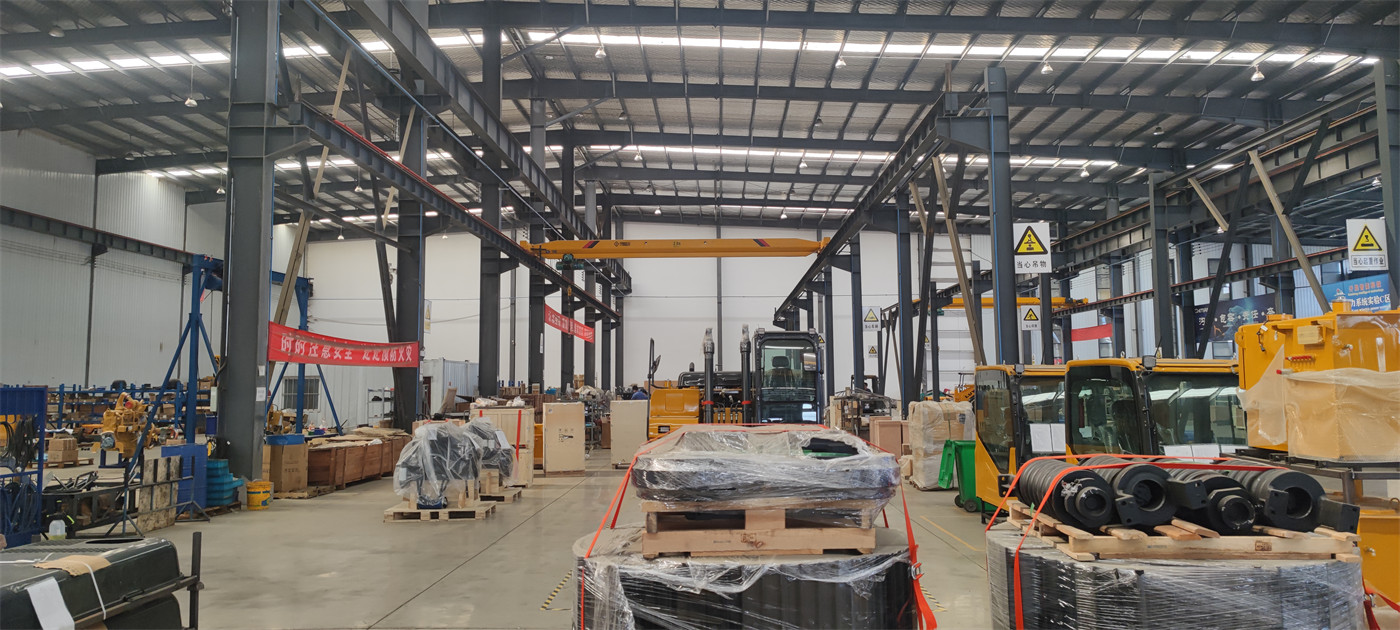
Step 3: Whether a ripper is needed depends on whether the rock and soil must be loosened in advance
The materials list single-shank and three-shank rippers, with maximum ripping depth of 1250 mm for the single shank and 842 mm for the three shanks, and ripper lift heights of 955 mm and 883 mm respectively. The ripper is a work equipment option and is not standard on all versions. If the site is weathered rock, hard soil or requires layered loosening before pushing, the ripper type should be stated separately in the purchase list and must not be assumed to come with the machine.
Step 4: Climate and dust conditions correspond to protective configuration
The desert version materials mention a high-mounted dust-proof intake filter, an enhanced large-capacity radiator and sand-proof protective structures, with 710 mm wide shock-absorbing tracks as standard. This shows that the configuration direction for high temperature, strong wind and heavy dust environments differs from ordinary earthwork. If the project site has heavy dust and long continuous operation, it should be made clear at the inquiry stage whether the intake filtration and cooling configuration match the material.
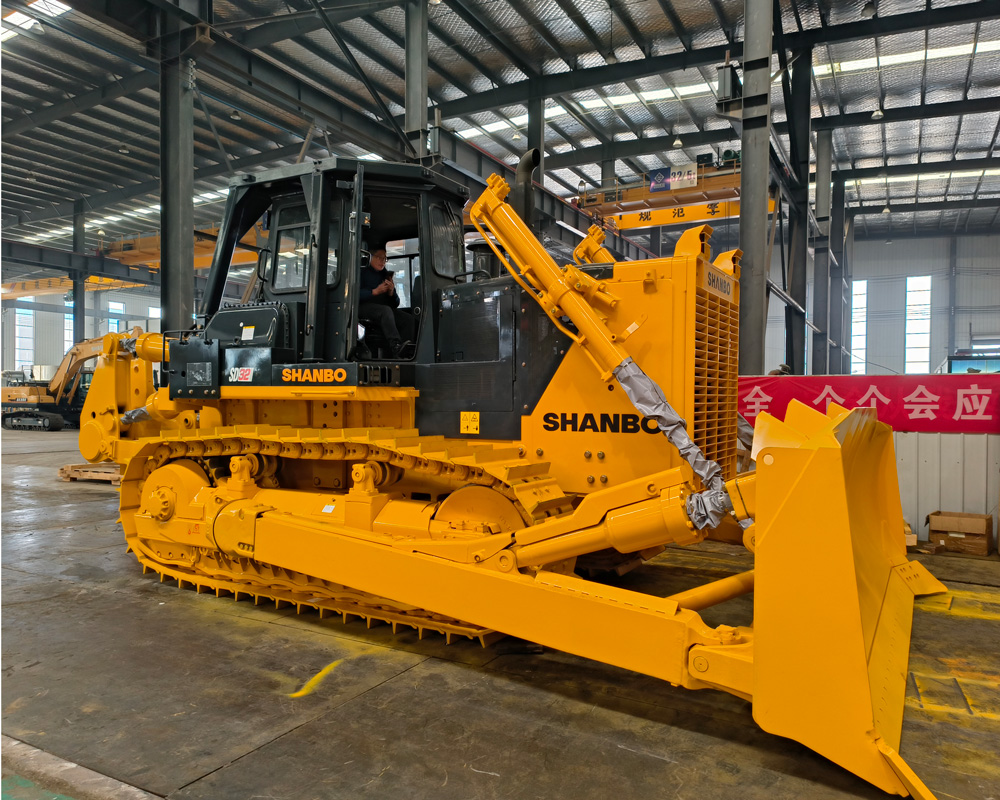
Comparison of multi-version materials for the same model
| Material item | Standard version | Rock version | Coal version |
|---|---|---|---|
| Operating weight (kg) | 40200 | 40900 | 40500 |
| Blade type | Straight/angle/semi-U blade | Rock straight/rock angle/rock semi-U blade | Semi-U or U-shaped coal blade |
| Blade width (mm) | 4130/5000/4130 | 4130/5000/4130 | 4806/4520 |
| Ripper | Single/three-shank optional | Single/three-shank optional | Single/three-shank optional |
| Drawbar | Optional | Marked none in materials | Marked none in materials |
The table shows that version differences are concentrated in work equipment and some structures, while power parameters are basically the same. Therefore the focus of selection is not comparing horsepower but judging which blade and undercarriage combination is closer to the on-site material. The coal version's blade width and structure target bulk material stockpiling and transfer, the rock version emphasizes blade wear resistance and reinforced push arms, and the standard version covers general earthwork and site leveling. Using the coal version for rock, or the rock version for a coal yard, lacks support in the materials.
Items to confirm with the supplier before purchase
- Whether the target version includes a ripper and drawbar; the boundary between standard and optional must be written into the contract annex.
- Track shoe width should be selected according to site ground bearing and wear conditions, not just the optional range in the materials.
- Whether the desert version's high-mounted intake and cooling configuration suits sites with heavy dust but a non-desert climate is not stated in the materials and must be confirmed separately.
- Each version's operating weight corresponds to a different configuration state; quotations should clarify whether the weighing condition includes the ripper and ROPS.
- Emission compliance, delivery lead time and spare parts supply are purchasing conditions not covered by the materials and must be verified separately.
Boundaries of configuration direction
Choosing a version by material does not mean work equipment can be freely swapped between versions. The materials give the blade, ripper and protective configurations listed for each version; combinations not listed cannot be inferred as feasible. If both earthwork and rock exist on site, first determine the main working material, then decide whether to use the standard version as the main machine with local rock blades, or the rock version as the main machine for heavy stripping. For daily inspection, only check track tension, blade and ripper connections, intake filter and fluid levels according to the manual; specific values and intervals are subject to the machine's documentation, and this article does not provide maintenance parameters.