


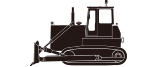
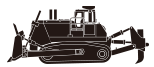














When selecting a bulldozer for soft ground, wetlands or backfill areas, buyers often receive a ground pressure figure and use it directly to compare models. The problem is that this figure is usually derived under a specific machine state and a specific track configuration; treating it as the sole criterion for whether a machine can enter a site easily leads to deviations in later construction. This article addresses how ground pressure figures should be used in wetland-version selection, which operating conditions they correspond to, and which conditions they cannot explain on their own.
First, a premise: ground pressure is not a fixed, unchanging site access permit
Ground pressure reflects the result of distributing the machine's weight over the track contact area. Whenever the machine state, counterweight, blade, ripper or other working equipment changes, the conditions under which this figure holds also change. It is therefore better suited as an intermediate indicator for comparing different machine solutions than as a final conclusion on whether a site can bear the machine.
Soft-ground work really needs to answer three questions: whether the equipment can walk and push stably under existing surface conditions, whether track sinkage is within an acceptable range, and whether auxiliary measures such as matting or replacement fill are needed. Ground pressure relates only to some factors in the first and second questions; the third depends entirely on site conditions and construction organization.
Using 260 hp wetland-version data as an example: what conditions determine this figure
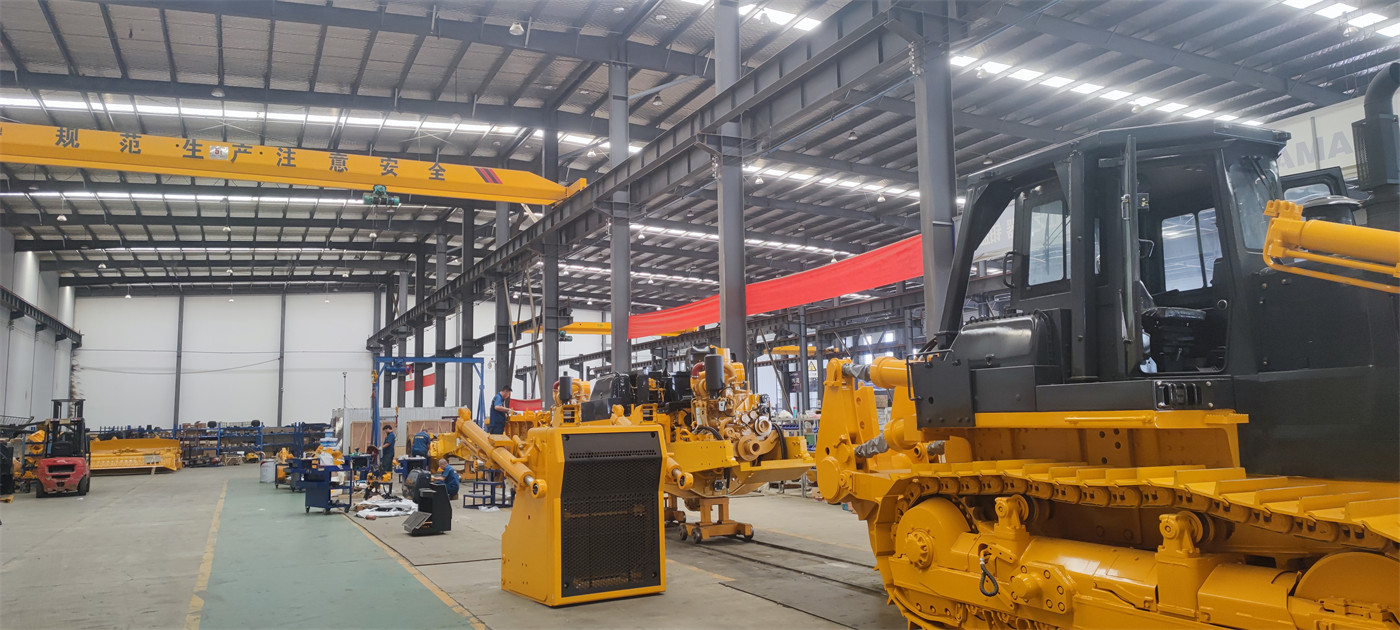
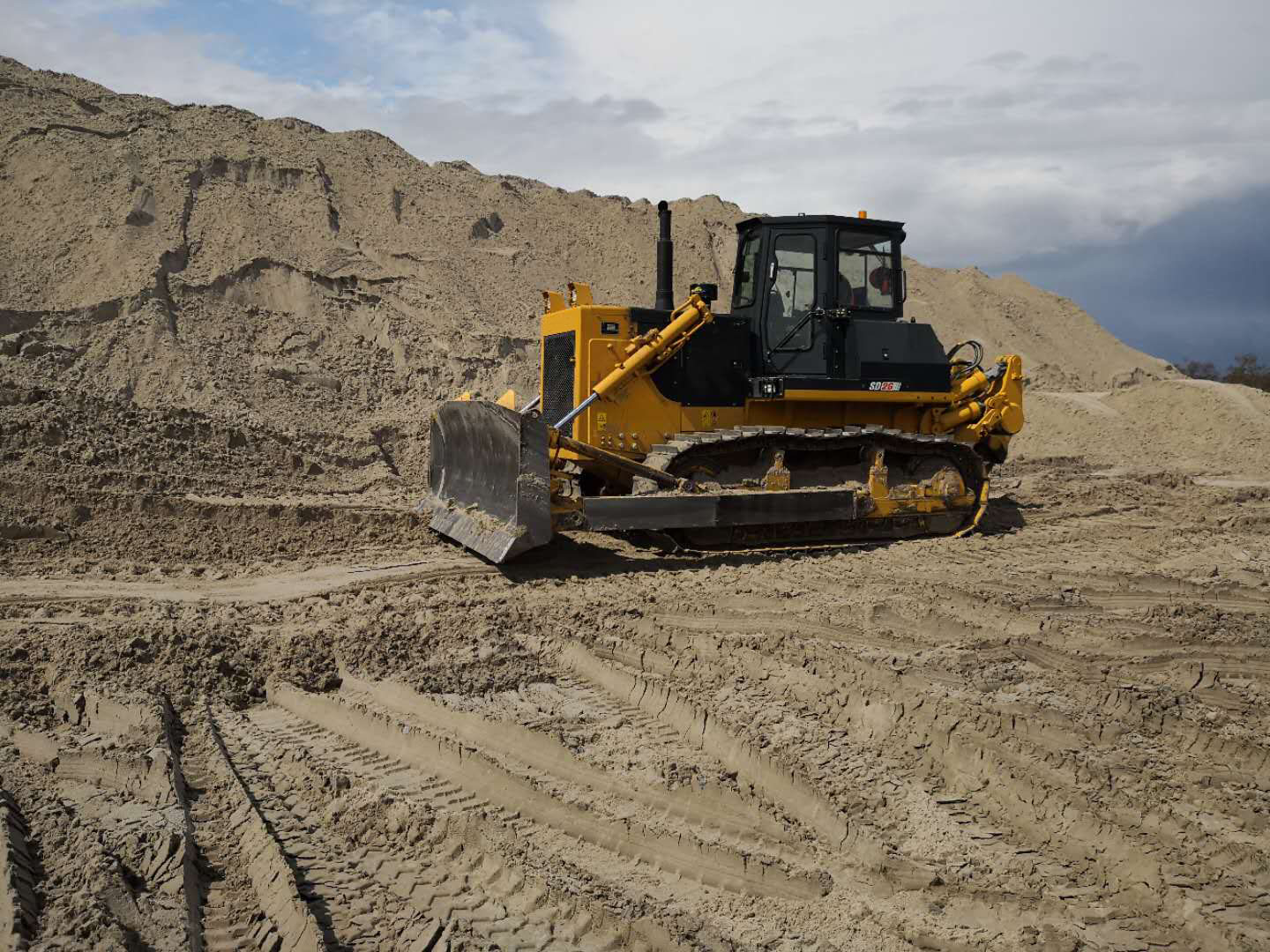
In this site's data, the SD26 series wetland type is one of several versions of a 260 hp medium bulldozer, alongside the standard, forestry, desert, sanitation and rock types. Verifiable basic machine parameters include: operating weight 23,450 kg, ground pressure 66 kPa, track shoe width 560/610/660 mm, track length 2,872 mm, ground contact area 28,727 cm², track gauge 2,000 mm, and a Weichai WP12G280E304 engine (China III), rated net power 194 kW (260 hp).
Viewed together, 66 kPa does not appear in isolation: it forms a whole with the 23,450 kg operating weight and the track dimensions above. When discussing ground pressure, citing only 66 kPa without also stating the corresponding operating weight and track shoe width leaves the comparison without a common basis. In particular, the data gives three optional track shoe widths, and different widths correspond to different contact areas; before purchase, the figure for the final selected configuration should be used.
Which site questions it helps judge, and which it cannot answer
- Questions it helps judge: comparing track contact conditions of similar machine solutions at similar weight levels; judging whether wider track shoes are needed to improve support on soft surfaces; serving as one input for whether matting, replacement fill or staged construction should be arranged.
- Questions it cannot answer: the soil bearing capacity and moisture state of a specific site; the actual sinkage depth; trafficability after rainy seasons or changes in groundwater level; machine stability on soft slopes; and the effect of different operating methods on surface disturbance.
The latter questions must be confirmed through site surveys, geotechnical data or trial operations; the data itself does not provide these conclusions. Equating a ground pressure figure directly with "can enter" or "cannot enter" mistakes a reference indicator for a decision criterion.
What else to check alongside ground pressure when selecting for soft ground
| Check item | Why it matters for soft-ground work |
|---|---|
| Track shoe width option | Directly affects contact area; the corresponding ground pressure must be confirmed for the final selected width |
| Machine operating weight | One basis for calculating ground pressure; configuration changes alter the figure |
| Working equipment configuration | Straight-tilt blade is standard; ripper, angle blade, U-blade etc. are optional, and fitting them changes the machine state |
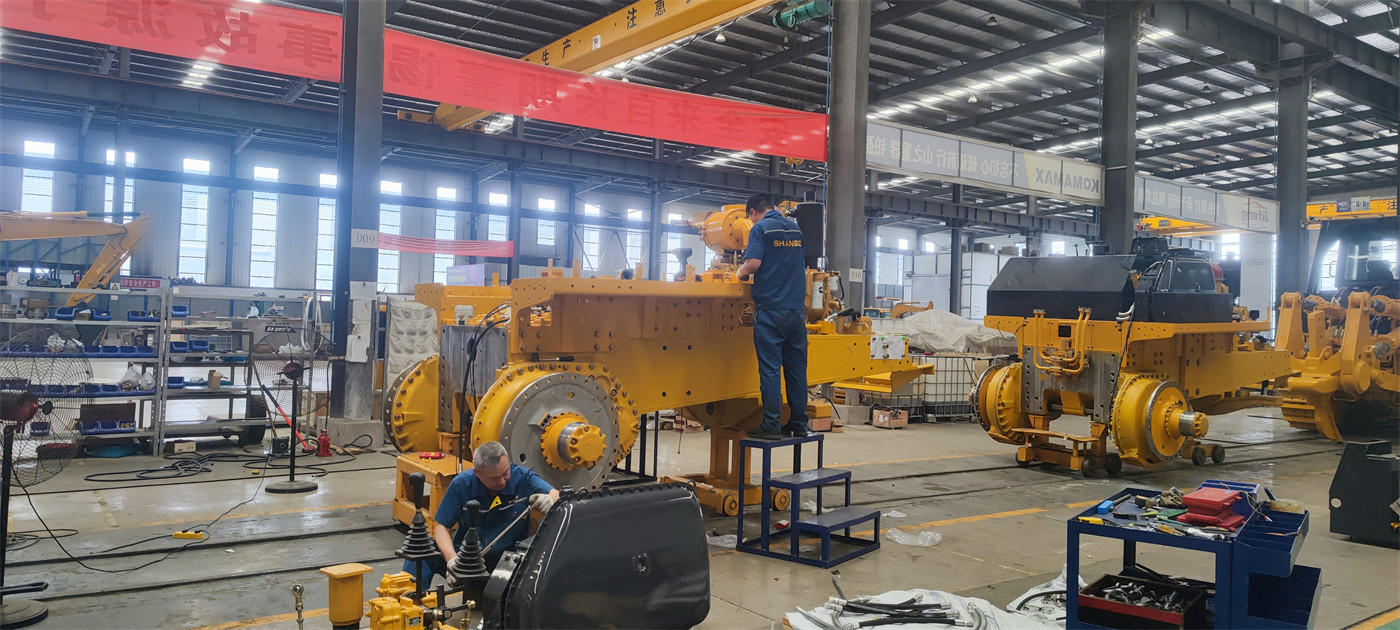
| Travel and drive form | The data lists a power-shift transmission, torque converter and two-stage straight-tooth final drive, with a semi-rigid suspension undercarriage; smooth starting and steering on soft ground must be assessed together with operating method |
| Site bearing and drainage conditions | Not covered by the data; must come from site surveys and geotechnical data |
The purpose of this table is not to give an access conclusion but to show that ground pressure must be viewed together with other conditions. Looking at 66 kPa alone cannot determine whether a specific site is suitable; putting 66 kPa together with 23,450 kg, 2,872 mm track length and the optional track shoe widths forms a basis for comparing solutions.
Ask more specific questions during procurement communication
Rather than only asking "what is the ground pressure", break the requirement into verifiable questions:
- Which machine state and track shoe width does the quoted ground pressure correspond to?
- If a ripper or other working equipment is fitted, do machine weight and ground conditions change, and what are the figures after the change?
- What are the specific differences between the wetland version and the standard version in the tracks and undercarriage?
- Is there corresponding machine data or documentation for this configuration to check against?
Some of these can be answered from the data, such as operating weight, ground pressure, track shoe width options and standard blade type; parts that cannot, such as trafficability of a specific site, rainy-season construction arrangements and auxiliary material quantities, should be confirmed separately through site conditions and the construction plan.
Applicable limits and items to confirm
Ground pressure figures have reference value in soft-ground selection, but they describe the geometric and weight relationship between the machine and its tracks, not the soil, moisture, slope or construction organization. For wetland-type equipment, this figure can help buyers establish a comparison basis between similar solutions, but it cannot replace site surveys, nor can it be used to infer actual sinkage, trafficability or operating efficiency.
Before purchase, the following information to be confirmed should be completed: soil type and bearing data for the target site, construction season and groundwater level, whether continuous heavy-load pushing is required, the final selected track shoe width and working equipment combination, and the machine parameters under that combination. For routine checks, follow the manual; descriptions in the data such as clear maintenance reminder markings and a large opening engine hood for easy oil-change inspection can serve as a reference for maintenance convenience, but do not constitute recommendations for specific maintenance intervals or operating steps.