






















Daily checklists usually have someone watching the engine oil, coolant, and track tension, but the truly easy items to skip are the lubrication points scattered across the machine. They do not trigger alarms like gauges do, and when problems arise they often first show up as stiff pins or sluggish movement—by the time they are noticed, the best window for handling them has usually passed. This article answers the question: why are centralized lubrication points so easily missed in daily bulldozer inspections, and how can they be built into fixed pre-shift and post-shift routines?
First, a clarification: lubrication point locations and quantities vary by model and version, and the materials on this site do not list a lubrication point inventory for every machine. The sections below that refer to specific models rely only on verified product information; anything not listed is raised as an item to confirm before purchase or site entry, not as an operating basis.
Why lubrication points are the easiest to skip
Lubrication point checks typically have three characteristics: scattered locations, short time per point, and non-obvious abnormalities. Low engine oil shows on the dipstick, high water temperature shows on the gauge, but a poorly lubricated pin shows no difference in the short term. As a result, in the inspection sequence it is often placed after the "visible" items and is the first thing dropped when work gets busy.
Another reason is unclear division of responsibility. Pre-shift checks are mostly done by the operator, while post-shift maintenance may be handed to the repair crew. Lubrication points sit right at the boundary between the two groups, making it easy for each to assume the other has checked them. This is not a problem with any particular machine but with how inspections are organized.
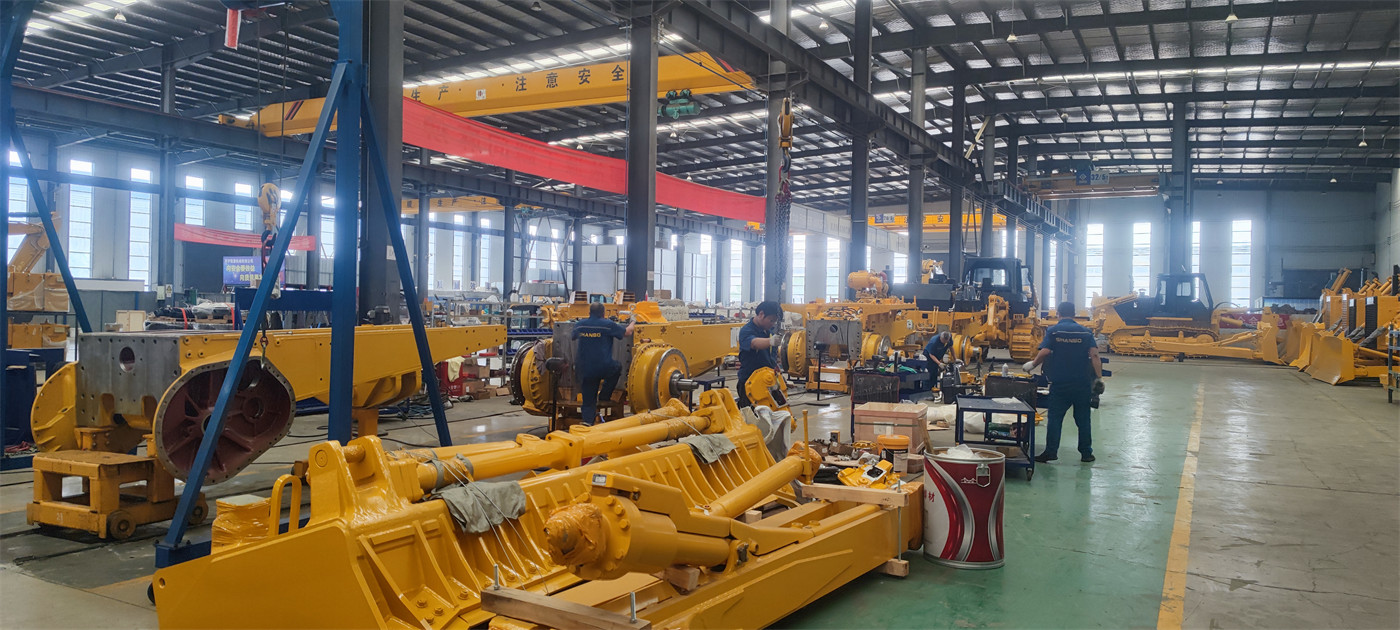
Turning lubrication point checks into concrete actions
A workable approach is to reclassify lubrication points from a "maintenance item" to an "inspection item," treat them on par with oil and fluid levels, and clearly state who checks them and where the results are recorded. The following checklist can serve as a reference framework for organizing inspections; specific points, grease grades, and lubrication intervals must follow the supplied manual and manufacturer requirements:
- Pre-shift: Confirm that exposed lubrication points show no obvious lack of grease, contamination, or leakage traces, and that pins and joints move smoothly.
- During shift: Watch for abnormal noise or sticking in blade lift and ripper operation; if abnormalities appear, stop and troubleshoot first rather than continuing to push with the problem.
- Post-shift: Apply grease at the points and intervals specified in the manual, record the lubrication performed, and hand over any abnormalities found that day to the next shift.
The point of this checklist is not "how many items to check" but fixing responsibility and record-keeping. This is especially true for machines with scattered lubrication points—relying on memory to find each one greatly increases the chance of missed checks.
Design features in the materials related to inspection convenience
Taking the SD22 standard version on this site as an example, its materials explicitly state two points: all lubrication and maintenance points are externally mounted for quick and convenient maintenance; and the machine uses a large open side guard design that simplifies daily inspection and servicing. These two statements do not directly indicate how many lubrication points there are, but they do indicate accessibility during inspection—points are exposed on the outside and the side guard opening is relatively large, so inspectors do not need to repeatedly remove and reinstall guards to reach a point, reducing one cause of missed checks.
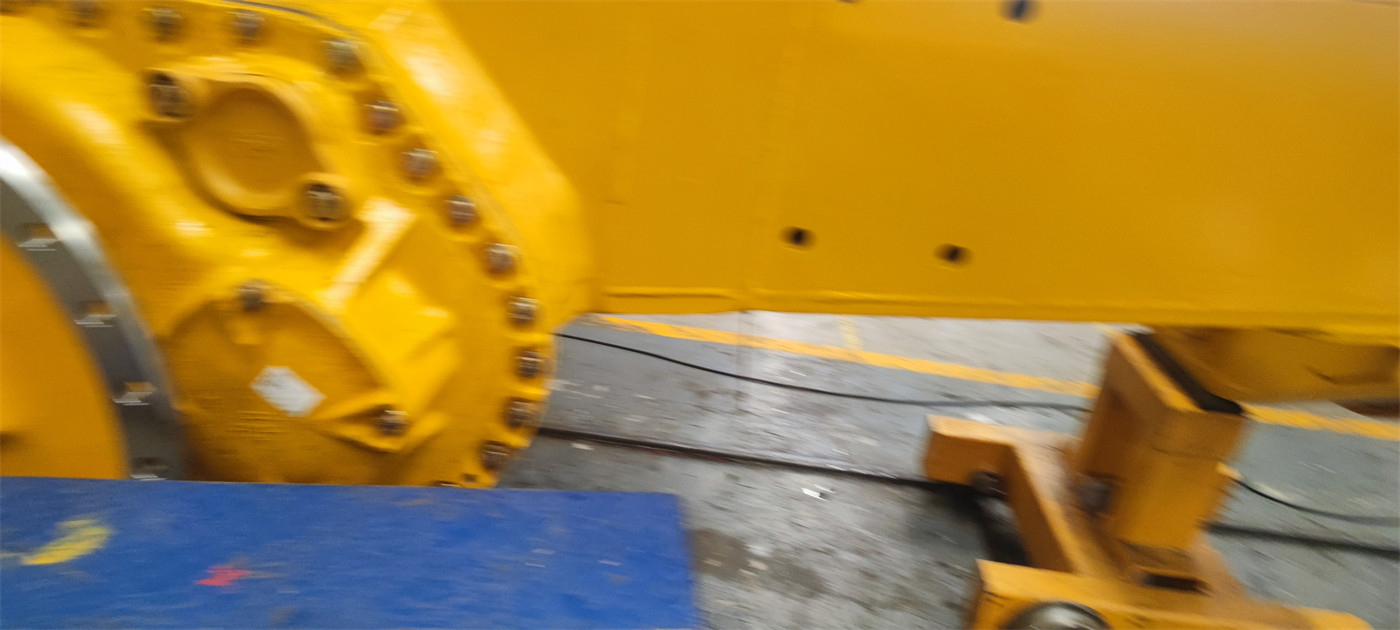
The same materials also mention that the machine's main structural components are designed for long-term heavy-duty operation, and that the wiring harness uses corrugated tube protection with orderly routing. These are layout features at the whole-machine level; their practical significance for daily inspection is that line and pipe routing is relatively orderly, making it easier during inspection to distinguish lubrication points from line connectors and reducing misjudgment. However, this is only convenience brought by the layout and should not be understood to mean the model does not require point-by-point checks, nor should it be used to infer reliability or maintenance costs.
In addition, the SD22 materials list optional work equipment including straight blade, U-blade, angle blade, coal blade, rock blade, sanitation blade, and single-shank or three-shank rippers. Different work equipment means different joints and lubrication locations to watch; machines equipped with rippers or multiple blade types should have their checklists adjusted to the configuration, and specific points should still follow the manual for the corresponding configuration.
What these design features mean for purchasing decisions
If the buyer's real problem is "many machines, high operator turnover, and difficulty standardizing daily inspections," then whether lubrication points are externally mounted and whether side guards are easy to open are items worth adding to the comparison table. What they affect is whether inspection actions can be completed within the limited time before and after a shift, not the machine's pushing capability itself.
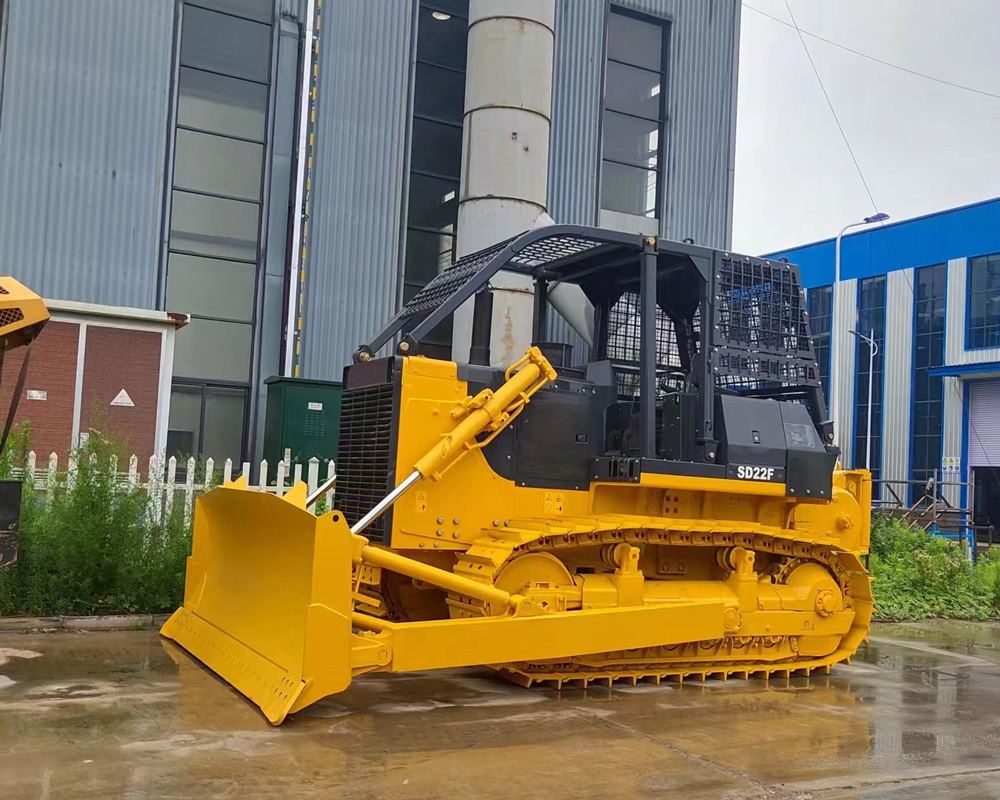
Note that "externally mounted maintenance points" and "open side guards" in the materials are layout descriptions and cannot be used to infer lubrication intervals, grease quantities, or maintenance labor costs. These data are not listed in the materials on this site; before purchasing, request the maintenance manual for the corresponding configuration from the supplier, or ask for an on-site demonstration of a complete pre-shift inspection procedure.
Items still requiring confirmation
- The lubrication point list and lubrication intervals for the selected configuration (standard version or other versions, with or without ripper).
- The specific form of centralized or manual lubrication is not stated in the materials and must be confirmed on the actual machine.
- Inspection items, tools, and grease grades specified in the manual; do not rely on experience values from other models.
- Whether inspection frequency needs adjustment for dusty, wet, or low-temperature working environments should follow manufacturer requirements.
How well lubrication point checks are done is rarely visible in any single job, but it gradually shows in the condition of pins and joints. Writing this easily missed action into the checklist and assigning it to specific people is less trouble than investigating causes after the fact.