



















Short-distance pushing in narrow sites is usually less about whether the machine can push and more about whether it can move soil back and forth in limited space over long shifts. When the site is squeezed between existing structures, temporary roads, and stockpile areas, a slightly larger turning radius or more frequent direction changes gets amplified across every shift. This article discusses the conditions under which hydrostatic crawler dozers are worth considering for such working conditions, and which boundaries must be confirmed first, using a 178HP hydrostatic model's product data as a reference.
First, understand the actual constraints of narrow-site pushing
A narrow site is not just about area; it is about the width of the usable working strip and how processes connect. Common constraints include:
- Short pushing distances and many round trips, so steering and direction changes account for a high proportion of actions;
- No retreat space on either side of the machine, making large-angle turns at normal radii impossible;
- Need for continuous reverse pushing or reverse repositioning, which amplifies operator workload;
- During long shifts, refueling intervals and the operator environment directly affect continuity;
- The site may also have soft ground, slopes, or existing utilities, so selection cannot rely on space alone.
These constraints determine the focus: whether steering is limited by space, whether direction changes are smooth, and whether the operator can maintain a steady rhythm over long shifts. Power and blade capacity are only part of the picture and cannot replace verification of site conditions.
What needs hydrostatic transmission can address in narrow sites
The basic characteristic of hydrostatic transmission is stepless speed control, with steering and travel controlled by hydraulic circuits. In narrow sites, this relates not to "stronger performance" but to the relationship between operating method and spatial conditions:
- Stepless speed control makes it easier to approach the working face at low speed in confined spaces without frequent gear changes;
- Load-sensing steering and fixed steering allow the operator to choose the turning method according to site width;
- Direction changes are controlled by a joystick, simplifying reverse repositioning and short-distance round trips;
- Single joystick control of travel and work equipment reduces the need to switch hands between different controls.
These are operating characteristics brought by the transmission type, not a guarantee that it is suitable for every narrow site. Suitability also depends on whether the turning radius, overall width, and site access match.
Several narrow-site-related items in the DH17-G data
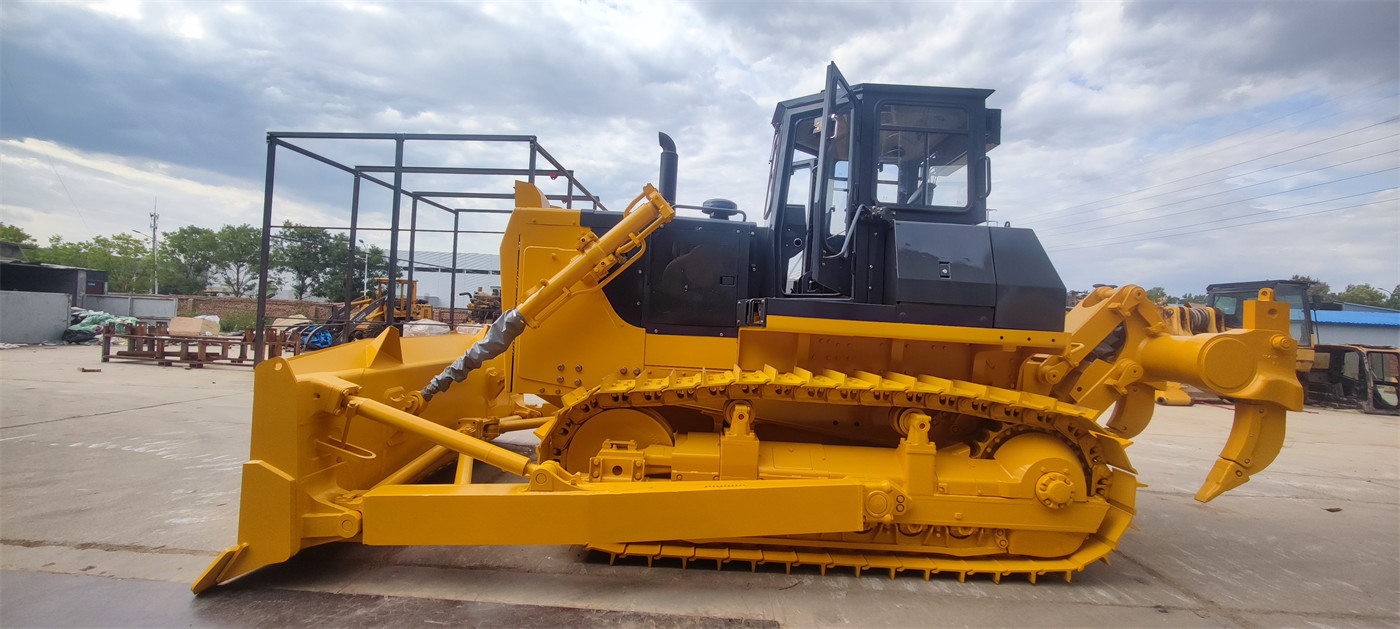
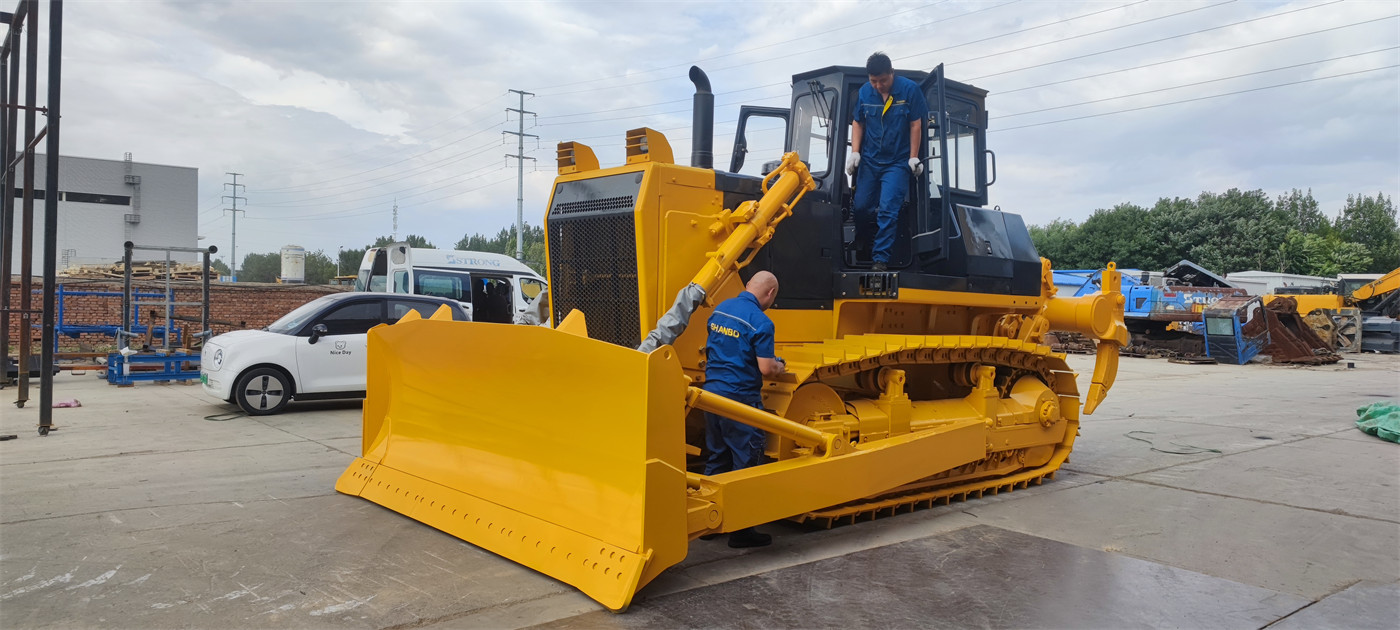
The DH17-G is a 178HP hydrostatic dozer in our site data, equipped with a Weichai WP7 China IV engine, rated power 152kW/1800rpm, and a dual-circuit electric hydrostatic drive system. Comparing its data with the constraints above, several points stand out:
Steering and low-speed control
The data states that the machine supports load-adaptive, stepless speed control with load-sensing steering and fixed steering, and notes that it can maintain power output "in narrow working areas." Related to this is the minimum turning radius: the standard version with ripper is 3745mm, the super-wetland version is 3895mm, and the coal version is 4246mm. This magnitude indicates it is not a small machine; narrow sites must allow space based on the actual turning radius, rather than assuming entry is possible simply because "hydrostatic steering is flexible."
Operating configuration for reverse pushing
The data lists control functions such as reverse start mode, auto idle, driving response control, slip rate control, and economy mode. Travel and work equipment use a single joystick, and there is a floating single-pedal synchronized throttle and brake. For narrow-site pushing that requires frequent reverse repositioning, these configurations address operating steps and direction-change continuity, not pushing capability itself.
Supporting conditions for continuous operation
The data gives a fuel tank capacity of 352L and claims support for continuous operation of more than 14 hours at 178HP output. This figure can be used to estimate refueling arrangements within a shift, but actual endurance depends on load, working conditions, and idle time. It should be calculated separately based on one's own shift intensity and refueling conditions before purchase, and cannot be taken directly as a site conclusion.
How the operator environment helps on long shifts
The data states a six-sided integrated cab, 4-point MDS suspension, operator ear noise reduced to 78dB, sealed cab maintaining 45Pa positive pressure, rear air conditioning efficiency improved by 15%, and a standard rearview camera. In narrow sites with limited visibility and prolonged direction-change work, driving visibility and rearview assistance are practical conditions; however, these are comfort and assistance features and cannot replace on-site traffic organization and signaling arrangements.
Versions and configurations: first distinguish standard from optional
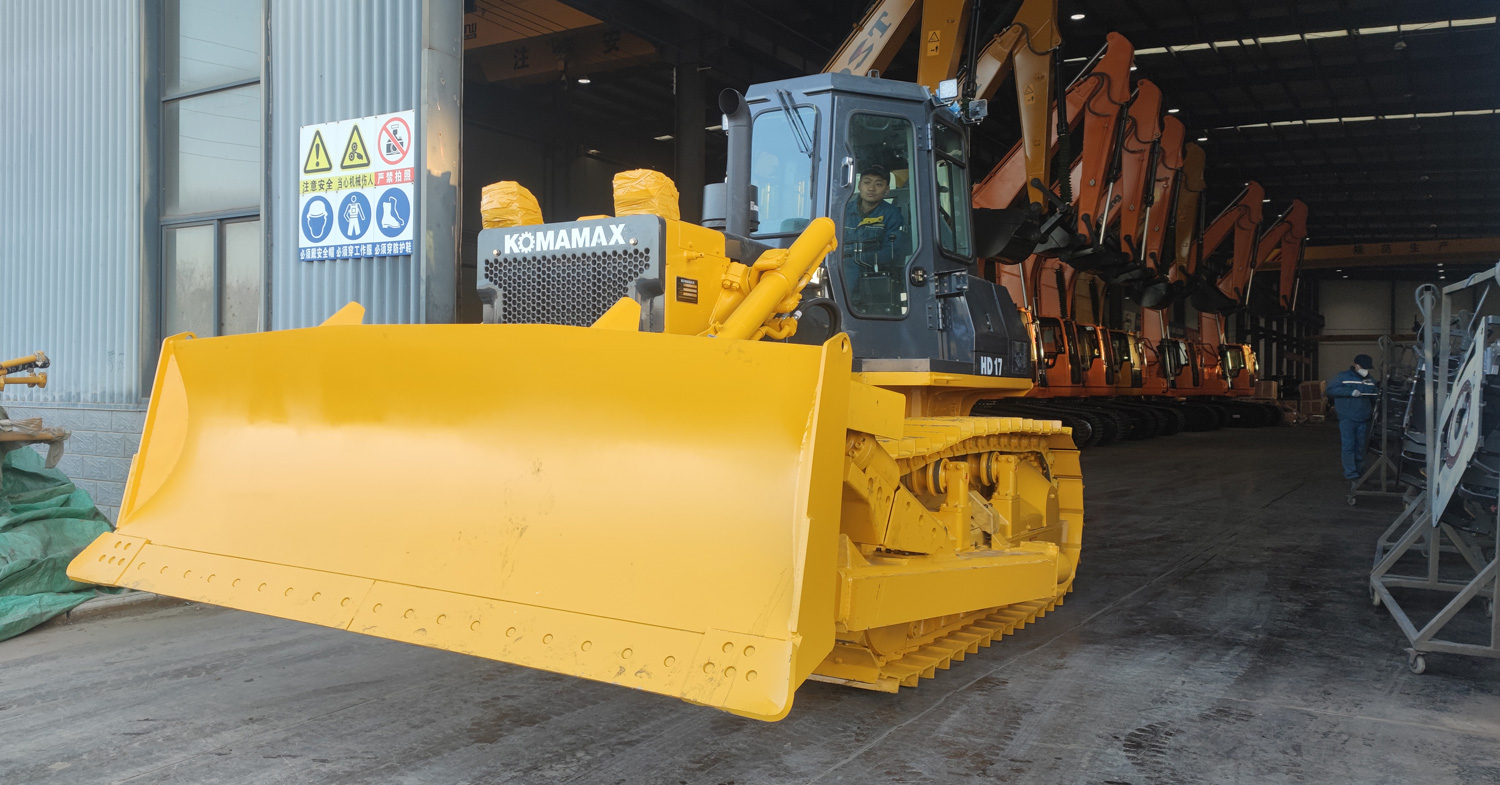
The DH17-G data lists multiple versions: standard, super-wetland, coal, sanitation, forest, and desert. Blade, track, and ground pressure differ significantly between versions. For narrow-site pushing, the standard version's straight tilt blade or semi-U blade is usually considered first, but the specific blade and whether a ripper is installed must be based on the ordered configuration. Some versions in the data do not list a ripper, so it cannot be assumed available across all versions.
| Item | Standard version data | Super-wetland version data |
|---|---|---|
| Operating weight | 17730kg (with ripper)/19290kg (with drawbar) | 19690kg |
| Ground pressure | 65kPa (with ripper)/77kPa (with drawbar) | 30.5kPa |
| Track shoe width | 510mm (standard)/560/610 | 1100mm (standard)/950 |
| Minimum turning radius | 3745mm | 3895mm |
| Blade type | Straight tilt blade/semi-U blade | Straight tilt blade |
This table only shows the differences between the two versions at the data level. If a narrow site also has soft ground, the choice between standard and wetland versions should be based on ground pressure and trafficability; hydrostatic transmission does not justify ignoring undercarriage configuration.
When to be cautious and what must be confirmed on site
Based on the data, the applicable approach is: for narrow sites with short pushing distances, frequent round trips, need for low-speed approach to the working face, long shifts, and a desire to reduce direction-change workload, this model can be included in the comparison. Conversely, the following must be verified first:
- Whether the working strip width exceeds the machine width with a safety margin; whether the available space meets the minimum turning radius on the order of 3745mm;
- Whether the site has soft ground, standing water, or slopes, and whether a wetland version or other undercarriage configuration is needed;
- Whether the blade and ripper are the actual configuration of the selected version; the delivery list must be checked against the order;
- Whether fuel quality and refueling conditions meet the requirements for the China IV engine; the data does not give fuel consumption, so it cannot be estimated independently;
- Continuous operation duration should be calculated based on one's own shifts and load; the 352L tank and the "more than 14 hours" data statement are for reference only;
- Whether the overall dimensions and weight (data dimensions 5465×3452×3154mm) match the transport plan during relocation.
For daily checks, the data mentions an external work valve, easy maintenance of track rollers, side-opening guards, and engine compartment lights, which can support convenience in daily inspections, but specific check items and intervals should follow the manual; this article does not provide maintenance values.
Key points for purchasing decisions
When selecting equipment for narrow-site pushing, the core is to clearly define spatial conditions, direction-change frequency, and shift intensity, then see whether the transmission type and configuration match. The DH17-G's hydrostatic drive, steering methods, control configuration, and fuel tank data provide verifiable reference for the direction of "continuous short-distance pushing in narrow sites"; however, turning radius, overall width, and version configuration determine whether it can actually enter the site. These items must be measured on site and confirmed with the supplier before a decision is made.