











Product specifications for mini crawler dozers are usually just a one-page parameter table, and buyers tend to jump straight to power and price, treating operating weight, ground pressure, blade dimensions, transmission gears and attachment descriptions as incidental information. In fact, these items are precisely what determine whether the machine can enter your site and whether it can do your job. Below, using the SD10 data on this site as an example, we explain how to read these fields and what conditions you still need to confirm yourself after reading them.
First distinguish standard configuration from optional items
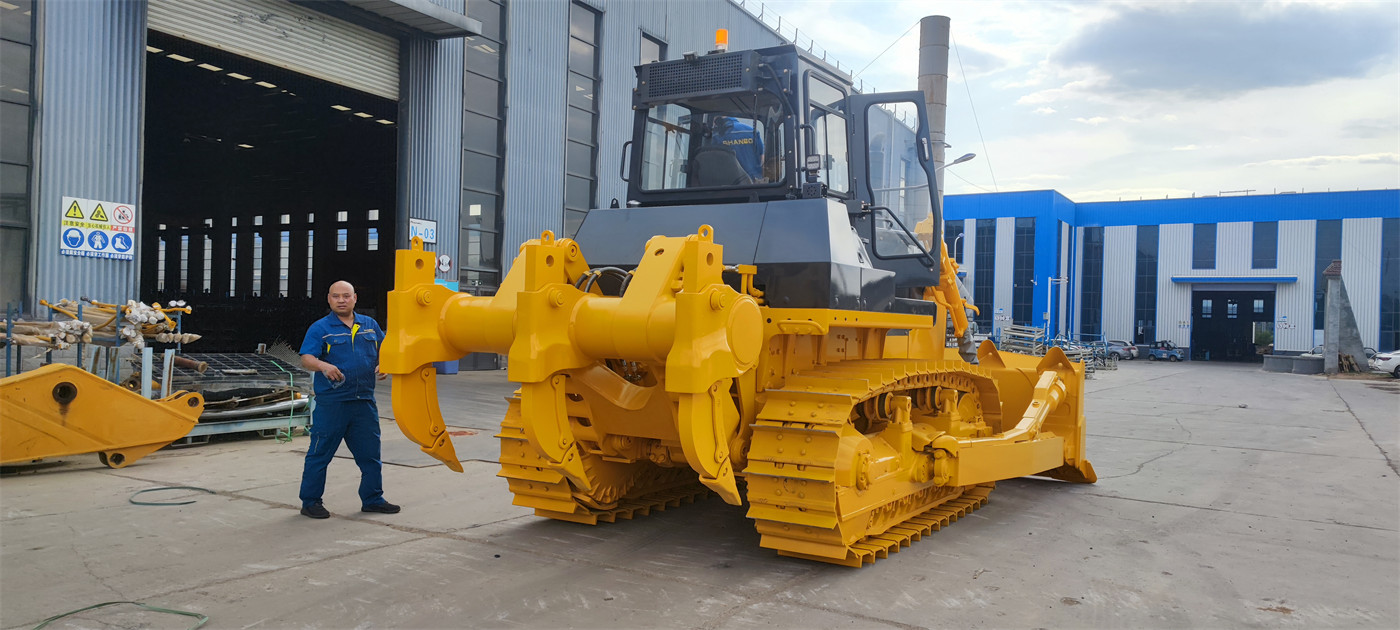
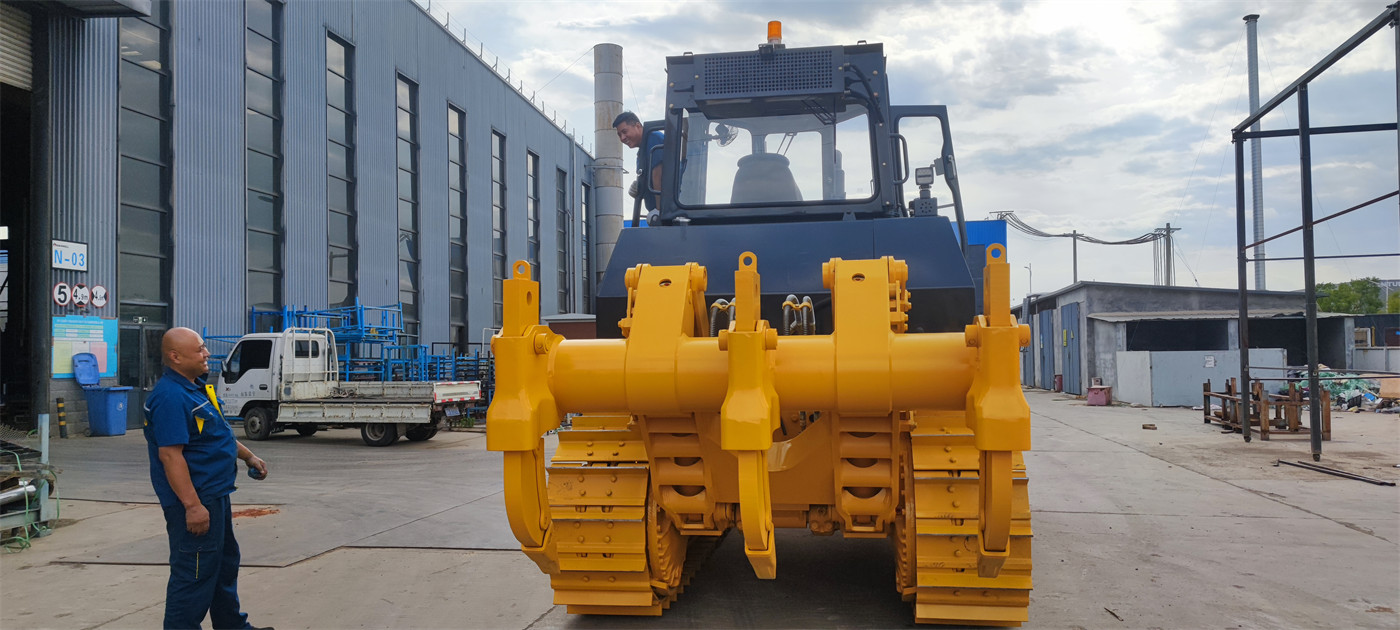
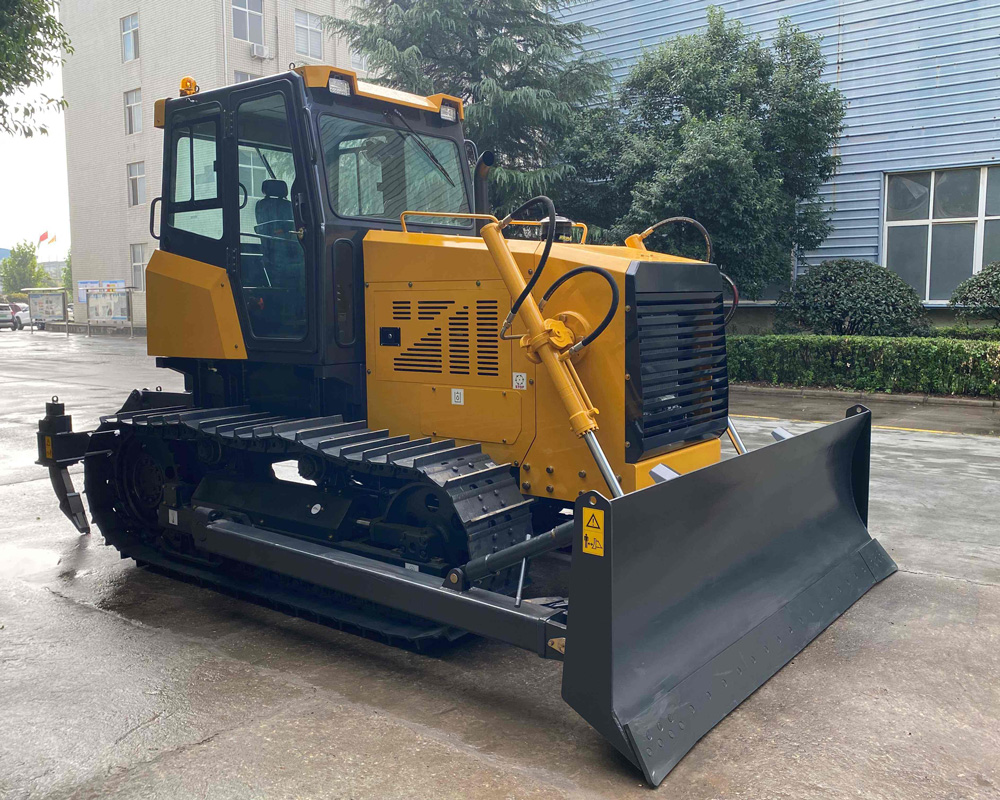
The easiest part of product specifications to misread is the attachment section. In the SD10 data, the dozer blade dimensions are stated, along with the note that straight, curved and coal blades are available as options; the rear attachment is described as "fixed towing equipment or three-shank ripper (optional)." This means the ripper and towing equipment are optional and cannot be assumed to come with every machine. If a buyer interprets "can be equipped with a ripper" as standard, subsequent quotations and delivery times will not match up.
Similarly, the coal blade is an option for specific material scenarios, not a general configuration. The materials do not explain the specific material conditions each blade corresponds to, so this part must be confirmed item by item with the supplier.
Operating weight and ground pressure answer "can it enter the site"
The SD10 has a total weight of 10000kg, track shoe width of 450mm and ground pressure of 54.4kPa. For a mini dozer, these figures determine the applicable boundary earlier than power does: when site bearing conditions are poor, the surface is soft after rain, or continuous work on backfill soil is required, ground pressure is the first basis for judging whether the machine will get stuck.
Note, however, that 54.4kPa is the whole-machine ground pressure value given in the materials and does not mean it is safe on any soil type. Whether it actually sinks also depends on soil moisture content, compaction level and working method. The materials do not provide applicability conclusions for different soil types, so this should be verified separately against on-site soil conditions before purchase.
Transmission gears affect work sequence planning
The SD10 uses a 4F+2R mechanical transmission, with forward speeds of 2.6–10.4km/h and reverse speeds of 3.7–6.7km/h. The materials do not state that this is hydrostatic drive; a mechanical transmission corresponds to gear-shifting operation, which feels different from hydrostatic models. If the work is mainly short-distance repeated pushing, assess whether the operator can adapt to the shifting rhythm; if the work involves frequent forward and reverse movement such as site leveling, the reverse speed range is also a reference for planning the work rhythm.
The materials do not provide the tractive force distribution for each gear, so actual pushing capability in a given gear cannot be inferred from them; this part can only serve as an operational reference.
Blade dimensions and lift range determine job matching
The SD10 blade is 2960×960mm (width×height), with a maximum lift height of 830mm and maximum digging depth of 350mm. The blade width is close to the machine width, making it suitable for leveling and short-distance pushing on relatively regular sites. A digging depth of 350mm indicates it is not suitable for deeper excavation or hard-layer stripping; such work requires assessing whether it exceeds the equipment's positioning.
The engine in the materials is a Cummins 4BT3.9-C125, rated power 81kW (125HP)/2300r/min, maximum torque 400N·m. The power figure can be used to compare against site scale and job intensity, but it cannot be directly converted into hourly earthwork volume; the materials do not provide productivity data.
Items still to be confirmed before purchase
- Whether on-site soil and moisture conditions match the 54.4kPa ground pressure, especially soft foundations and backfill areas;
- Whether the selected blade type is in stock, and the applicable material range for curved blades, coal blades and straight blades;
- The ripper or towing equipment is optional; whether it needs to be purchased together and its impact on operating weight;
- How the mechanical transmission will be operated in the planned work sequence, and whether the operator needs advance familiarization;
- Emission certification, delivery lead time and after-sales conditions not listed in the materials should be confirmed through the actual purchasing channel.
Product specifications can answer questions about the equipment's own boundaries, but not about site conditions. Comparing the above fields item by item with on-site soil conditions and job types will reduce selection errors more than looking only at power and price. Daily inspection items should be based on the manual supplied with the machine; this article does not provide specific maintenance values.